
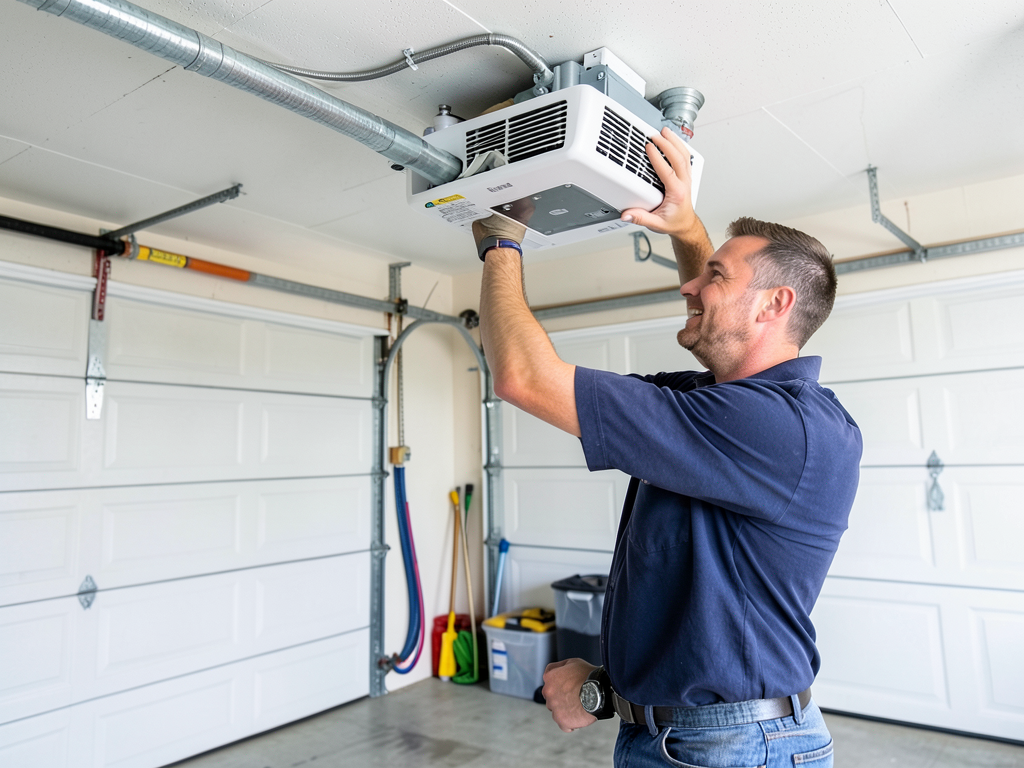
Heating Your Garage or Workshop Comfortably During a Cold Harrison Winter
When winter temperatures in Harrison, Ohio, drop below freezing, your garage or workshop can become an unusable space. Whether you use it for vehicle storage, woodworking, or as a home gym, proper heating transforms it into a year-round functional area. This guide covers everything you need to know about heating your garage comfortably during a cold Harrison winter, from choosing the right system to understanding local installation requirements. HVAC Warranty Guide.
Why Heat Your Harrison Garage? Understanding the Local Need
Harrison experiences harsh winter conditions typical of southwest Ohio, with average January lows around 21°F and occasional polar vortex events dropping temperatures into the single digits. These conditions create several problems for unheated garages and workshops:
- Cold vehicles take longer to warm up and suffer increased wear on batteries and fluids
- Tools and equipment can freeze or become difficult to handle with cold hands
- Uninsulated spaces allow heat loss from your home if attached to your house
- Moisture from temperature swings can lead to rust on metal tools and vehicles
Many Harrison homeowners find that heating their garage extends usable space during winter months, making it practical for hobbies, projects, or even as a comfortable workspace for remote work.
Types of Garage Heating Systems We Install in Harrison
Choosing the right heating system depends on your space, usage patterns, and budget. Here are the main options we install for Harrison-area garages and workshops:
Forced Air Unit Heaters
Forced air unit heaters are popular for their ability to quickly heat large spaces. These ceiling-mounted units blow warm air throughout the garage, raising temperatures rapidly.
Best for: 2-3 car garages, workshops with high ceilings, spaces where you want quick temperature recovery
Common brands we install include Modine Hot Dawg and Reznor, both designed for residential garage applications. These units typically run on natural gas or propane and require proper venting to the outside.
Infrared Radiant Tube Heaters
Infrared heaters work by warming objects and people directly rather than heating the air. They’re mounted overhead and emit infrared radiation that feels like standing in sunlight.
Best for: Workshops where quiet operation matters, spaces with poor insulation, areas where you want to heat specific zones
Radiant heaters operate silently and don’t stir up dust, making them ideal for woodworking shops or spaces where you’re working with finishes.
Electric Garage Heaters
Electric heaters offer simplicity and don’t require gas lines or venting. They’re available as ceiling-mounted units or portable floor models.
Best for: Smaller garages, detached workshops without gas service, supplemental heating
While electric models are easier to install, they typically cost more to operate than gas-fired units in our area where natural gas rates are relatively low.
Sizing Your Heater for Hamilton County Winters
Proper sizing ensures your heater can maintain comfortable temperatures even during Harrison’s coldest days. An undersized unit will run constantly without achieving the desired temperature.
BTU requirements depend on several factors:
- Garage size and ceiling height
- Insulation levels in walls and ceiling
- Number and size of windows
- Local climate severity
- Desired temperature rise
Here’s a general sizing guide for typical Harrison garage configurations:
| Garage Size | Insulation Level | BTU Range |
|---|---|---|
| 1-car (250 sq ft) | Uninsulated | 15,000-20,000 BTU |
| 1-car (250 sq ft) | Well-insulated | 8,000-12,000 BTU |
| 2-car (500 sq ft) | Uninsulated | 30,000-40,000 BTU |
| 2-car (500 sq ft) | Well-insulated | 15,000-25,000 BTU |
| 3-car (750 sq ft) | Uninsulated | 45,000-60,000 BTU |
| 3-car (750 sq ft) | Well-insulated | 25,000-35,000 BTU |
Adding insulation before installing a heater can reduce your BTU requirements by 30-50%, significantly lowering operating costs.
Our Local Installation Process for Harrison Homes
Professional installation ensures your garage heater operates safely and efficiently. Here’s what to expect when you work with us:. Read more about Energy efficient HVAC designs for modern ADUs and tiny homes in Northside.
- Initial Site Assessment
We evaluate your garage’s dimensions, insulation, electrical capacity, and gas line availability. This determines the best heating solution for your specific space.
- Permit Acquisition
We handle all necessary permits through Hamilton County Building Regulations, ensuring your installation meets local mechanical codes. Hamilton County Building Regulations.
- Gas Line Installation (if needed)
For gas-fired units, we run appropriate gas lines with proper sizing and pressure testing per Ohio fuel gas code requirements.
- Mounting and Venting
We securely mount the unit and install venting to safely exhaust combustion gases outside, following manufacturer specifications and local venting requirements.
- Electrical Connection
We make proper electrical connections with appropriate circuit protection, ensuring safe operation.
- Thermostat Installation
We install a dedicated thermostat or integrate with your existing system for convenient temperature control.
- Safety Testing
We perform comprehensive safety checks including gas leak testing, carbon monoxide verification, and proper operation verification.
- Final Walkthrough
We show you how to operate your new system and provide maintenance recommendations. Furnace Maintenance Checklist.
Safety and Code Compliance for Harrison Garage Heaters
Garage heater installations in Harrison must comply with Hamilton County mechanical codes and Ohio building regulations. Key safety requirements include:
- Minimum clearances from combustible materials (typically 18-36 inches depending on unit)
- Proper venting to prevent carbon monoxide buildup
- Elevation requirements for gas-fired units in garages (minimum 18 inches above floor)
- Combustion air requirements for fuel-burning appliances
- Electrical grounding and circuit protection
Carbon monoxide safety is particularly important in enclosed garage spaces. All gas-fired installations include carbon monoxide detectors as part of our standard safety protocol.
According to Ohio Administrative Code Chapter 4101:8, mechanical installations must be performed by licensed contractors and inspected by local authorities. We handle all permitting and ensure your installation passes inspection.. Read more about Can a modern heat pump handle a record-breaking Cincinnati cold snap?.
Cost Factors for Garage Heater Installation in Harrison
Several factors influence the total cost of your garage heating project:
- Unit Type and Size: Forced air units typically cost $800-$2,500, while infrared heaters range from $1,000-$3,000
- Installation Complexity: Simple replacements cost less than installations requiring new gas lines or electrical circuits
- Insulation Upgrades: Adding insulation can increase upfront costs but reduce long-term operating expenses
- Permit Fees: Hamilton County permit fees typically range from $75-$200 depending on project scope
Most Harrison homeowners invest between $2,500 and $5,000 for a complete garage heating system with professional installation.
Maintaining Your Garage Heater for Year-Round Reliability
Regular maintenance extends your heater’s life and ensures safe operation. We recommend:
- Annual Inspection: Check for proper venting, clean burners, and test safety controls
- Filter Replacement: Clean or replace air filters every 3-6 months
- Vent Inspection: Check for obstructions or damage to venting systems
- Gas Connection Check: Verify all gas connections remain tight and leak-free
We offer maintenance plans specifically for garage heaters that include seasonal checkups and priority service if issues arise.
Frequently Asked Questions About Garage Heating in Harrison
Do I need a permit to install a garage heater in Harrison?
Yes, Hamilton County requires permits for all mechanical installations including garage heaters. The permit ensures your installation meets safety codes and will be inspected by local authorities.
Can I install a garage heater myself?
We strongly recommend professional installation. Gas-fired units involve combustion, venting, and gas line work that requires specialized knowledge and tools. Improper installation can create serious safety hazards including carbon monoxide poisoning.
How long does installation take?
Most installations are completed in one day. Gas line installations or complex electrical work may require additional time. We’ll provide a specific timeline after your site assessment.
Will a garage heater increase my utility bills significantly?
Operating costs depend on your unit size, insulation, and usage patterns. Well-insulated garages with properly sized heaters typically add $30-$80 to monthly utility bills during peak winter months.
Can I use my existing home thermostat to control the garage heater?
While possible, we recommend a dedicated garage thermostat for better control and energy savings. Garage temperatures often need to be lower than living spaces, and having separate control prevents unnecessary heating. EPA Carbon Monoxide Safety Information.
What about humidity and moisture issues?
Proper ventilation and maintaining consistent temperatures help prevent condensation. We can recommend additional measures like dehumidifiers or insulation upgrades if moisture is a concern in your garage.
Call (513) 717-5155 Today to Schedule Your Garage Heater Consultation
Don’t wait until the next cold snap hits Harrison. Our team can assess your garage, recommend the right heating solution, and have you enjoying a warm, comfortable space before winter’s worst arrives. We serve all of Harrison and surrounding areas with professional installation, permitting, and ongoing support.
Call (513) 717-5155 today to schedule your free consultation. We’ll evaluate your space, explain your options, and provide a clear, upfront quote with no hidden fees. Your warm, comfortable garage is just one call away.
Pick up the phone and call (513) 717-5155 before the next cold front hits. We’re ready to help you transform your garage into a year-round space you can actually use.
You may also find this helpful. The best ways to heat and cool a finished basement in your Sayler Park home.
{
“@context”: “https://schema.org”,
“@type”: “BlogPosting”,
“headline”: “Heating Your Garage or Workshop Comfortably During a Cold Harrison Winter”,
“description”: “Keep your Harrison garage or workshop warm this winter with expert heater installation. Learn about garage heating systems, sizing, and local codes for Hamilton County.”,
“wordCount”: 1445,
“datePublished”: “2026-03-30T14:18:00.000Z”,
“dateModified”: “2026-03-30T14:18:00.000Z”,
“inLanguage”: “en-US”,
“mainEntityOfPage”: {
“@type”: “WebPage”,
“@id”: “https://fivestarhvaccincinnati.com”
},
“publisher”: {
“@type”: “LocalBusiness”,
“name”: “Five Star HVAC Cincinnati”,
“url”: “https://fivestarhvaccincinnati.com”
},
“author”: {
“@type”: “Organization”,
“name”: “Five Star HVAC Cincinnati”,
“url”: “https://fivestarhvaccincinnati.com”
},
“image”: {
“@type”: “ImageObject”,
“url”: “https://fivestarhvaccincinnati.com/wp-content/uploads/2026/03/heating-your-garage-or-workshop-comfortably-during-1.png”
}
}
{
“@context”: “https://schema.org”,
“@type”: “HVACBusiness”,
“name”: “Five Star HVAC Cincinnati”,
“url”: “https://fivestarhvaccincinnati.com”,
“address”: {
“@type”: “PostalAddress”,
“addressLocality”: “Cincinnati”
},
“areaServed”: {
“@type”: “City”,
“name”: “Cincinnati”
}
}
{
“@context”: “https://schema.org”,
“@type”: “FAQPage”,
“mainEntity”: [
{
“@type”: “Question”,
“name”: “Do I need a permit to install a garage heater in Harrison?”,
“acceptedAnswer”: {
“@type”: “Answer”,
“text”: “Yes, Hamilton County requires permits for all mechanical installations including garage heaters. The permit ensures your installation meets safety codes and will be inspected by local authorities.”
}
},
{
“@type”: “Question”,
“name”: “Can I install a garage heater myself?”,
“acceptedAnswer”: {
“@type”: “Answer”,
“text”: “We strongly recommend professional installation. Gas-fired units involve combustion, venting, and gas line work that requires specialized knowledge and tools. Improper installation can create serious safety hazards including carbon monoxide poisoning.”
}
},
{
“@type”: “Question”,
“name”: “How long does installation take?”,
“acceptedAnswer”: {
“@type”: “Answer”,
“text”: “Most installations are completed in one day. Gas line installations or complex electrical work may require additional time. We’ll provide a specific timeline after your site assessment.”
}
},
{
“@type”: “Question”,
“name”: “Will a garage heater increase my utility bills significantly?”,
“acceptedAnswer”: {
“@type”: “Answer”,
“text”: “Operating costs depend on your unit size, insulation, and usage patterns. Well-insulated garages with properly sized heaters typically add $30-$80 to monthly utility bills during peak winter months.”
}
},
{
“@type”: “Question”,
“name”: “Can I use my existing home thermostat to control the garage heater?”,
“acceptedAnswer”: {
“@type”: “Answer”,
“text”: “While possible, we recommend a dedicated garage thermostat for better control and energy savings. Garage temperatures often need to be lower than living spaces, and having separate control prevents unnecessary heating. EPA Carbon Monoxide Safety Information.”
}
},
{
“@type”: “Question”,
“name”: “What about humidity and moisture issues?”,
“acceptedAnswer”: {
“@type”: “Answer”,
“text”: “Proper ventilation and maintaining consistent temperatures help prevent condensation. We can recommend additional measures like dehumidifiers or insulation upgrades if moisture is a concern in your garage.”
}
}
]
}
{
“@context”: “https://schema.org”,
“@type”: “HowTo”,
“name”: “Garage Heater Installation Process”,
“step”: [
{
“@type”: “HowToStep”,
“position”: 1,
“name”: “Initial Site Assessment”,
“text”: “We evaluate your garage’s dimensions, insulation, electrical capacity, and gas line availability. This determines the best heating solution for your specific space.”
},
{
“@type”: “HowToStep”,
“position”: 2,
“name”: “Permit Acquisition”,
“text”: “We handle all necessary permits through Hamilton County Building Regulations, ensuring your installation meets local mechanical codes. Hamilton County Building Regulations.”
},
{
“@type”: “HowToStep”,
“position”: 3,
“name”: “Gas Line Installation (if needed)”,
“text”: “For gas-fired units, we run appropriate gas lines with proper sizing and pressure testing per Ohio fuel gas code requirements.”
},
{
“@type”: “HowToStep”,
“position”: 4,
“name”: “Mounting and Venting”,
“text”: “We securely mount the unit and install venting to safely exhaust combustion gases outside, following manufacturer specifications and local venting requirements.”
},
{
“@type”: “HowToStep”,
“position”: 5,
“name”: “Electrical Connection”,
“text”: “We make proper electrical connections with appropriate circuit protection, ensuring safe operation.”
},
{
“@type”: “HowToStep”,
“position”: 6,
“name”: “Thermostat Installation”,
“text”: “We install a dedicated thermostat or integrate with your existing system for convenient temperature control.”
},
{
“@type”: “HowToStep”,
“position”: 7,
“name”: “Safety Testing”,
“text”: “We perform comprehensive safety checks including gas leak testing, carbon monoxide verification, and proper operation verification.”
},
{
“@type”: “HowToStep”,
“position”: 8,
“name”: “Final Walkthrough”,
“text”: “We show you how to operate your new system and provide maintenance recommendations. Furnace Maintenance Checklist.”
}
],
“image”: “https://fivestarhvaccincinnati.com/wp-content/uploads/2026/03/heating-your-garage-or-workshop-comfortably-during-1.png”
}
{
“@context”: “https://schema.org”,
“@type”: “BreadcrumbList”,
“itemListElement”: [
{
“@type”: “ListItem”,
“position”: 1,
“name”: “Home”,
“item”: “https://fivestarhvaccincinnati.com”
},
{
“@type”: “ListItem”,
“position”: 2,
“name”: “Blog”,
“item”: “https://fivestarhvaccincinnati.com/blog”
},
{
“@type”: “ListItem”,
“position”: 3,
“name”: “Heating Your Garage or Workshop Comfortably During a Cold Harrison Winter”
}
]
}
{
“@context”: “https://schema.org”,
“@type”: “Service”,
“serviceType”: “HVAC”,
“provider”: {
“@type”: “LocalBusiness”,
“name”: “Five Star HVAC Cincinnati”,
“url”: “https://fivestarhvaccincinnati.com”
},
“areaServed”: {
“@type”: “City”,
“name”: “Cincinnati”
},
“description”: “Keep your Harrison garage or workshop warm this winter with expert heater installation. Learn about garage heating systems, sizing, and local codes for Hamilton County.”
}