
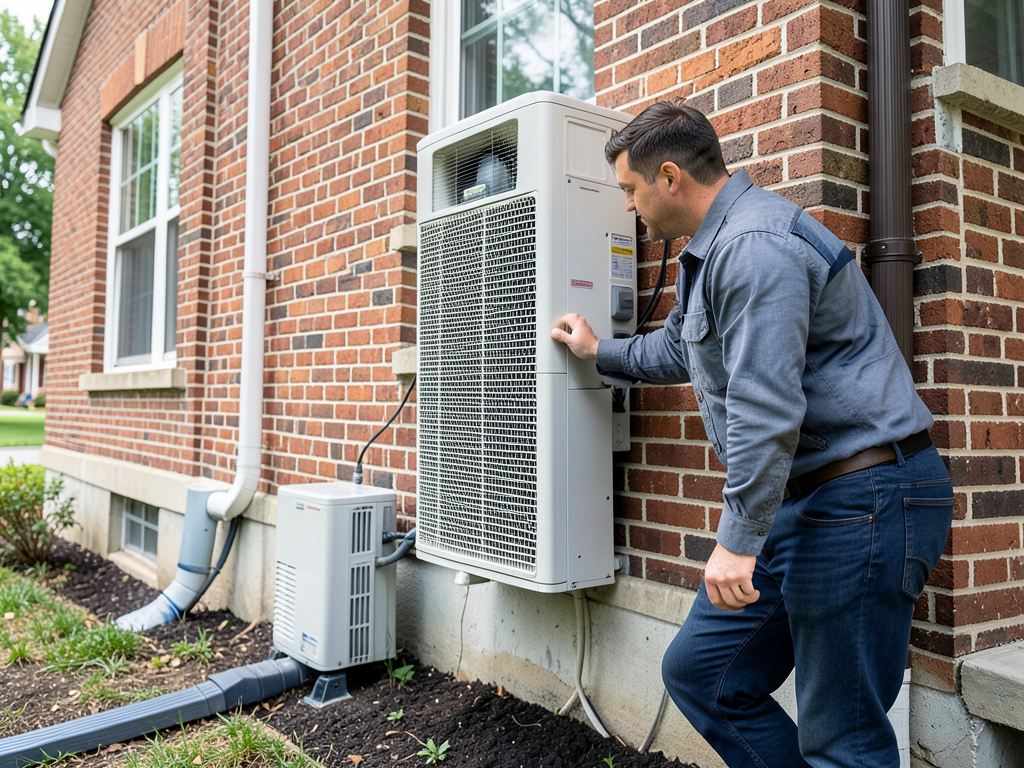
Why inverter technology is the secret to staying comfortable in a drafty Kennedy Heights house
If you live in an older Kennedy Heights home built before 1980 you already know the struggle. Hot and cold spots make certain rooms unbearable during Cincinnati’s humid summers while your energy bills climb higher each month. The problem isn’t just age. It’s how traditional HVAC systems work. They blast air at full capacity then shut off completely creating temperature swings that feel like riding a roller coaster in your own living room. Energy Star air conditioner efficiency guidelines.
Inverter technology changes everything by running your system like cruise control instead of stop-and-go traffic. The compressor adjusts its speed in tiny increments to maintain your exact temperature target. This means no more blasts of hot or cold air just steady comfortable temperatures that stay within one or two degrees of your thermostat setting. For Kennedy Heights homes with original ductwork and single-pane windows this technology eliminates the drafty feel that makes winter unbearable and summer humidity feel like a steam room.. Read more about Protecting your expensive HVAC system with whole house surge protection in West Chester.
The Ohio River Valley climate makes inverter systems particularly valuable here. Cincinnati summers push humidity levels above 70% for weeks at a time. Traditional systems cool the air but often fail to remove enough moisture leaving your home feeling clammy. Inverter systems run longer at lower speeds which gives them time to pull more humidity from the air. The result is air that feels cooler at a higher temperature setting which means lower energy bills without sacrificing comfort.
Beyond comfort inverter systems protect your home from the stress traditional HVAC puts on your electrical system. Older Kennedy Heights homes often have 100-amp service that struggles with the startup surge of conventional units. Inverter systems use soft-start technology that draws minimal power at startup reducing strain on your electrical panel and preventing those annoying lights that dim every time the AC kicks on.
The real secret to inverter technology’s success in drafty homes lies in its ability to work with what you already have. Instead of requiring expensive ductwork modifications these systems compensate for air leaks and poor insulation by running continuously at efficient speeds. This means you can keep your historic charm without sacrificing modern comfort or watching your utility bills spiral out of control.. Read more about Finding the air leaks that are making your Fairfield home feel drafty and cold.
How inverter technology actually works in your Kennedy Heights home
Traditional HVAC systems operate like a light switch. They’re either on at 100% capacity or completely off. This creates temperature swings of 4-7 degrees as the system cycles. Inverter systems use variable-speed compressors that adjust from 20% to 100% capacity in tiny increments. Think of it like driving on the highway. A traditional system is flooring the gas then slamming the brakes. An inverter system maintains a steady speed using less fuel overall.
The compressor contains a special drive that converts incoming AC power to DC then back to AC at variable frequencies. This allows the motor to speed up or slow down based on your home’s cooling or heating needs. When your home is close to the target temperature the compressor might run at 30% capacity using minimal electricity. As outdoor temperatures rise or fall the system automatically adjusts without the jarring on-off cycles that create drafts and noise. Cooling Tower Services.
For Kennedy Heights homes this technology solves a unique problem. Many houses in this area have plaster walls with minimal insulation. Traditional systems create pressure imbalances that force conditioned air through cracks around windows and doors. Inverter systems maintain consistent pressure reducing air infiltration and eliminating those cold drafts that make winter unbearable.
The control board in an inverter system monitors temperature humidity and pressure dozens of times per second. It makes micro-adjustments to maintain optimal performance. This level of precision means your system runs exactly as long as needed never wasting energy on unnecessary cycles. The result is comfort you can feel but not hear since inverter systems operate at sound levels as low as 49 decibels compared to 70+ for traditional units.
Energy savings that make inverter technology worth the investment
The numbers tell the story. Inverter systems achieve Seasonal Energy Efficiency Ratio 2 ratings of 18-26 SEER2 compared to 14-16 SEER2 for standard units. In Cincinnati’s climate this translates to 30-50% lower cooling costs during our long humid summers. For a typical Kennedy Heights home that means saving $40-$75 per month during peak season.. Read more about How to choose between a standard heat pump and a high velocity system for your Northside Victorian.
The savings come from two sources. First inverter systems eliminate the energy waste of startup cycles. Every time a traditional system starts up it draws 5-7 times its normal power for a few seconds. Inverter systems use soft-start technology that draws minimal power at startup. Second they maintain optimal efficiency by running at the exact speed needed rather than cycling between 0% and 100%.
Duke Energy offers Smart Saver incentives for high-efficiency HVAC installations. Current rebates can cover $300-$600 of the installation cost. When combined with federal tax credits under the Inflation Reduction Act homeowners can recover 30% of installation costs up to $2000. For a typical installation this means total incentives of $1500-$2500 reducing your actual investment significantly.
The payback period depends on your current system’s efficiency and how much you use your HVAC. For most Kennedy Heights homeowners replacing a 10+ year old system the payback period ranges from 3-5 years. After that the savings go straight to your pocket. Plus inverter systems typically last 15-20 years compared to 10-12 for traditional units meaning you get more years of service from your investment.
Humidity control that actually works in Cincinnati’s climate
Cincinnati’s humidity isn’t just uncomfortable. It creates the perfect environment for mold dust mites and other allergens. Traditional AC systems cool the air but often shut off before removing enough moisture. This leaves your home feeling cold but clammy. Inverter systems solve this by running longer at lower speeds which gives them more time to dehumidify.
The science is simple. Air holds less moisture at lower temperatures. When an inverter system runs at 30-40% capacity it cools the air slowly allowing maximum moisture removal. A traditional system might cool your home to 72 degrees in 15 minutes then shut off. During those 15 minutes it might remove 2-3 pints of moisture. An inverter system running for 45 minutes at lower capacity can remove 6-8 pints while using less total energy.. Read more about Why a steam boiler might be the best way to heat your historic mansion in Avondale.
For Kennedy Heights homes with plaster walls this matters even more. Plaster absorbs moisture creating a damp feeling even when temperatures are comfortable. Inverter systems maintain lower humidity levels preventing this absorption and keeping your home feeling fresh year-round. The ideal indoor humidity range is 40-50%. Inverter systems maintain this range automatically while traditional systems often let humidity spike to 60-70% between cycles.
Beyond comfort proper humidity control protects your home. High humidity causes wood floors to swell paint to peel and wallpaper to separate. It also creates conditions where dust mites thrive. These microscopic creatures are a major allergen trigger. By maintaining optimal humidity levels inverter systems create a healthier living environment while protecting your home’s finishes and furnishings. EPA indoor air quality and humidity control.
Noise reduction that makes a real difference in older neighborhoods
If you live in Kennedy Heights you know how sound carries between historic homes. Traditional HVAC units can produce noise levels of 70-80 decibels outside and 60+ inside. This is like having a vacuum cleaner running constantly. Inverter systems operate at 49-59 decibels outside and as low as 38 inside. This reduction means you can finally enjoy quiet evenings on your porch without the constant drone of your AC.
The noise reduction comes from two sources. First inverter compressors use advanced sound-dampening technology and vibration isolation. Second they run at lower speeds most of the time. A traditional system might run at full blast for 10 minutes then shut off completely. An inverter system might run at 30% capacity for 45 minutes producing minimal noise the entire time.
Inside your home the difference is even more noticeable. Traditional systems create a whooshing sound as air rushes through ducts at high velocity. Inverter systems use variable-speed blowers that adjust airflow gradually. This means no more rattling vents or whistling sounds when the system kicks on. For bedrooms and home offices this quiet operation makes a huge difference in comfort and productivity.. Read more about Improving airflow in deep-plan homes with high-performance blower motors.
The soft-start technology also eliminates the electrical noise that causes lights to flicker when traditional systems start up. This might seem minor but for older Kennedy Heights homes with original electrical systems it prevents stress on your wiring and eliminates that annoying flicker that makes you jump every time the AC starts.
Installation considerations for Kennedy Heights historic homes
Installing an inverter system in a historic Kennedy Heights home requires specific expertise. Many houses built before 1950 have unique challenges including plaster walls limited electrical capacity and existing ductwork that wasn’t designed for modern HVAC. The key is finding a contractor who understands both the technology and the architecture.
Electrical requirements are often the first hurdle. Traditional systems need 240-volt circuits with 30-50 amp breakers. Inverter systems can often work with existing circuits due to their soft-start technology. However older homes might need electrical panel upgrades to handle the continuous load. A qualified contractor will perform a load calculation to determine exactly what your home needs without oversizing.
Ductwork modifications are usually minimal with inverter systems. Their ability to run at variable speeds means they can work with existing duct configurations that would be inadequate for traditional units. However leaky ducts still waste energy. A professional installation includes duct sealing and insulation where needed. For Kennedy Heights homes with plaster walls this might mean accessing ducts through ceiling or floor registers rather than cutting into walls.
Permitting requirements in Cincinnati require compliance with Hamilton County Mechanical Code. This includes proper refrigerant line sizing load calculations and condensate drainage. For historic districts additional approvals might be needed from the Cincinnati Preservation Association. A qualified contractor handles all permitting and ensures your installation meets every code requirement.
Comparing inverter to traditional systems: What you need to know
The differences between inverter and traditional HVAC go beyond efficiency. Here’s how they compare across key factors that matter for Kennedy Heights homeowners.
| Feature | Traditional System | Inverter System |
|---|---|---|
| Efficiency (SEER2) | 14-16 | 18-26 |
| Noise Level (dB) | 70+ outside 60+ inside | 49-59 outside 38-48 inside |
| Temperature Control | 4-7 degree swings | 1-2 degree stability |
| Humidity Control | Basic cooling only | Advanced dehumidification |
| Lifespan | 10-12 years | 15-20 years |
| Startup Power | 5-7x normal draw | Minimal surge |
| Repair Complexity | Simple diagnostics | Requires specialized training |
The repair complexity difference is worth noting. Inverter systems require technicians with specific training in variable-speed technology. Not all HVAC companies have this expertise. When choosing a contractor ask about their experience with inverter systems and whether their technicians have manufacturer certification. This specialized knowledge prevents costly mistakes during installation and ensures proper maintenance throughout the system’s life. 24/7 AC repair for restaurants and small businesses in Downtown Cincinnati.
Cost differences reflect the technology gap. Traditional systems typically cost $4000-$7000 installed. Inverter systems range from $6000-$10000 depending on size and features. While the upfront cost is higher the energy savings extended lifespan and comfort benefits often make inverter systems the better long-term investment especially for older homes where comfort and efficiency matter most.
Maintenance requirements for inverter HVAC systems
Inverter systems require specific maintenance to maintain their efficiency advantages. The good news is that many maintenance tasks are actually simpler than traditional systems. The variable-speed operation puts less stress on components meaning fewer breakdowns. However when issues do occur they require specialized diagnostic tools and expertise. Furnace Maintenance Checklist.
Annual professional maintenance should include checking refrigerant charge which is critical for inverter systems. Unlike traditional units that can tolerate slight undercharge inverter systems need exact refrigerant levels for optimal performance. The technician should also inspect the variable-speed drive and check for voltage irregularities that could damage the inverter board.
Filter maintenance is even more important with inverter systems. Their continuous operation means filters get dirty faster. Check filters monthly and replace when visibly dirty. For Kennedy Heights homes with plaster walls and minimal insulation this might mean replacing filters every 30-45 days during peak season. Clean filters maintain airflow and prevent the system from working harder than necessary.
The outdoor unit needs clear space around it for proper airflow. Keep vegetation trimmed at least 2 feet away and ensure the unit sits level on a proper pad. Cincinnati’s freeze-thaw cycles can cause concrete pads to shift which affects system performance. Check the pad annually and have it releveled if needed.
Smart thermostats enhance inverter system performance by learning your schedule and adjusting operation accordingly. Many modern systems include Wi-Fi connectivity that lets you monitor performance and receive alerts about maintenance needs. This proactive approach prevents small issues from becoming expensive repairs and ensures your system maintains peak efficiency year after year. How to find a reliable AC repair company in Hyde Park without overpaying.
Why Kennedy Heights homes specifically benefit from inverter technology
Kennedy Heights presents unique challenges that make inverter technology particularly valuable. The neighborhood’s mix of historic homes built between 1900-1940 features plaster walls balloon framing and single-pane windows. These construction methods create massive air infiltration that traditional HVAC systems struggle to overcome. The continuous operation of inverter systems compensates for these leaks without the energy waste of constant cycling.
Many Kennedy Heights homes have mature trees that create shade but also block airflow around outdoor units. Traditional systems need maximum airflow to dissipate heat. Inverter systems can maintain efficiency even with restricted airflow making them ideal for homes with limited outdoor space or tree coverage. This flexibility means you can keep your beautiful mature trees without sacrificing HVAC performance.
The neighborhood’s elevation changes create additional challenges. Homes on higher ground experience different wind patterns and temperature variations than those in lower areas. Inverter systems automatically adjust to these micro-climate differences maintaining consistent comfort regardless of your home’s specific location within the neighborhood. This adaptive capability is something traditional systems simply cannot match.
Kennedy Heights also experiences the urban heat island effect common in older Cincinnati neighborhoods. Paved roads and older buildings absorb heat during the day releasing it at night. This creates temperature swings that make traditional cycling systems work overtime. Inverter systems handle these variations smoothly maintaining comfort without the jarring temperature changes that make sleeping difficult during Cincinnati’s hottest months.
Making the right choice for your home
Deciding whether inverter technology is right for your Kennedy Heights home depends on several factors. If your current system is over 10 years old struggles to maintain comfortable temperatures or causes high energy bills inverter technology likely makes sense. The comfort benefits alone often justify the investment but when you factor in energy savings and extended lifespan the decision becomes even clearer.
Consider your home’s specific characteristics. If you have plaster walls single-pane windows or noticeable drafts inverter systems compensate for these issues better than traditional units. If your electrical service is older the soft-start technology prevents the power surges that can damage sensitive electronics or cause lights to flicker. For homes with limited outdoor space the compact design and flexible installation options make inverter systems ideal.
The best way to determine if inverter technology fits your needs is through a professional assessment. A qualified HVAC contractor will perform a load calculation evaluate your home’s construction and provide specific recommendations. Look for contractors with NATE certification and experience with historic Cincinnati homes. They’ll understand the unique challenges of your Kennedy Heights home and recommend solutions that preserve its character while delivering modern comfort.
Don’t wait until your current system fails during a July heatwave. Planning ahead gives you time to research options get proper permitting and schedule installation during off-peak season when contractors have more availability. Plus you’ll avoid the premium emergency service charges that come with system failures during extreme weather. Emergency furnace repair services for Indian Hill homeowners available right now.
Take control of your home’s comfort today
Living with a drafty uncomfortable home doesn’t have to be your reality. Inverter technology offers a proven solution that works specifically for the unique challenges of Kennedy Heights historic homes. The combination of energy savings quiet operation and precise temperature control transforms how you experience your home year-round.
Ready to learn more about how inverter technology can solve your comfort problems? Call (513) 717-5155 today to schedule your free assessment. Our NATE-certified technicians understand the specific needs of Kennedy Heights homes and can show you exactly how much you could save while improving your comfort. Don’t spend another season dealing with hot and cold spots or watching your energy bills climb higher each month. Pick up the phone and call (513) 717-5155 before the next Cincinnati heat wave hits.
Five Star HVAC Cincinnati has been serving the greater Cincinnati area for over 15 years. We’re not just another HVAC company. We’re your neighbors who understand the unique challenges of keeping historic homes comfortable in our humid Ohio climate. Our team handles everything from simple repairs to complete system installations with the expertise and care your home deserves.
Whether you’re in Kennedy Heights or anywhere else in the Cincinnati metro area we’re here to help you achieve the comfort and efficiency you deserve. Call (513) 717-5155 now and take the first step toward a more comfortable energy-efficient home.
Frequently Asked Questions
How much more do inverter systems cost than traditional HVAC?
Inverter systems typically cost $2000-$4000 more upfront than comparable traditional units. However energy savings often offset this difference within 3-5 years. When you factor in federal tax credits available through the Inflation Reduction Act and local utility rebates the actual cost difference shrinks significantly making inverter technology an excellent long-term investment.
Can I install an inverter system in my 100-year-old Kennedy Heights home?
Yes inverter systems work exceptionally well in historic homes. Their soft-start technology is easier on older electrical systems and their ability to run at variable speeds compensates for air leaks and poor insulation common in older construction. Most installations require minimal modifications to existing ductwork and can often use your current electrical service.
How long do inverter HVAC systems typically last?
Inverter systems typically last 15-20 years compared to 10-12 years for traditional units. The variable-speed operation puts less stress on components reducing wear and tear. With proper maintenance including annual professional service and regular filter changes you can expect your inverter system to provide reliable comfort for nearly two decades.
Will an inverter system really reduce my energy bills?
Homeowners typically see 30-50% reductions in cooling costs after installing inverter systems. The exact savings depend on your current system’s efficiency how much you use your HVAC and local utility rates. For most Kennedy Heights homes replacing a 10+ year old system the monthly savings during peak season range from $40-$75 making the investment worthwhile within a few years.. Read more about Is duct cleaning actually worth it for older homes in the Gaslight District of Clifton?.
Do inverter systems require special maintenance?
Inverter systems need annual professional maintenance but the tasks are similar to traditional units. Key differences include checking exact refrigerant charge which is more critical for inverter performance and inspecting the variable-speed drive. Filter changes remain important but the continuous operation means you’ll need to check filters more frequently especially in older homes with plaster walls.
What size inverter system do I need for my home?
System sizing depends on your home’s square footage insulation quality window efficiency and local climate. A professional load calculation using Manual J methodology determines the exact size needed. For Kennedy Heights homes this often means smaller systems than traditional calculations would suggest because inverter technology can compensate for air leaks and poor insulation more effectively.
Can I use my existing thermostat with a new inverter system?
Most inverter systems work best with smart thermostats that can communicate with the variable-speed compressor. Basic thermostats can work but won’t allow you to access all the system’s features. Many manufacturers offer Wi-Fi enabled thermostats that let you monitor performance adjust settings remotely and receive maintenance alerts improving both comfort and efficiency.
How noisy are inverter systems compared to traditional units?
Inverter systems operate at 49-59 decibels outside compared to 70+ for traditional units. Inside the difference is even more noticeable with inverter systems as quiet as 38 decibels versus 60+ for conventional units. This means you can finally enjoy quiet evenings on your porch without the constant drone of your AC and sleep better without the jarring noise of cycling systems.
You may also find this helpful. The best way to heat a detached workshop or hobby space in Terrace Park.
{
“@context”: “https://schema.org”,
“@type”: “BlogPosting”,
“headline”: “Why inverter technology is the secret to staying comfortable in a drafty Kennedy Heights house”,
“description”: “Struggling with uneven heating and high bills in your Kennedy Heights home? Learn how inverter HVAC technology eliminates drafts and cuts energy costs in Cincinnati’s humid climate.”,
“wordCount”: 3414,
“datePublished”: “2026-05-06T06:42:00.000Z”,
“dateModified”: “2026-05-06T06:42:00.000Z”,
“inLanguage”: “en-US”,
“mainEntityOfPage”: {
“@type”: “WebPage”,
“@id”: “https://fivestarhvaccincinnati.com”
},
“publisher”: {
“@type”: “LocalBusiness”,
“name”: “Five Star HVAC Cincinnati”,
“url”: “https://fivestarhvaccincinnati.com”
},
“author”: {
“@type”: “Organization”,
“name”: “Five Star HVAC Cincinnati”,
“url”: “https://fivestarhvaccincinnati.com”
},
“image”: {
“@type”: “ImageObject”,
“url”: “https://fivestarhvaccincinnati.com/wp-content/uploads/2026/03/why-inverter-technology-is-the-secret-to-staying-c-1.png”
}
}
{
“@context”: “https://schema.org”,
“@type”: “HVACBusiness”,
“name”: “Five Star HVAC Cincinnati”,
“url”: “https://fivestarhvaccincinnati.com”,
“address”: {
“@type”: “PostalAddress”,
“addressLocality”: “Cincinnati”
},
“areaServed”: {
“@type”: “City”,
“name”: “Cincinnati”
}
}
{
“@context”: “https://schema.org”,
“@type”: “FAQPage”,
“mainEntity”: [
{
“@type”: “Question”,
“name”: “How much more do inverter systems cost than traditional HVAC?”,
“acceptedAnswer”: {
“@type”: “Answer”,
“text”: “Inverter systems typically cost $2000-$4000 more upfront than comparable traditional units. However energy savings often offset this difference within 3-5 years. When you factor in federal tax credits available through the Inflation Reduction Act and local utility rebates the actual cost difference shrinks significantly making inverter technology an excellent long-term investment.”
}
},
{
“@type”: “Question”,
“name”: “Can I install an inverter system in my 100-year-old Kennedy Heights home?”,
“acceptedAnswer”: {
“@type”: “Answer”,
“text”: “Yes inverter systems work exceptionally well in historic homes. Their soft-start technology is easier on older electrical systems and their ability to run at variable speeds compensates for air leaks and poor insulation common in older construction. Most installations require minimal modifications to existing ductwork and can often use your current electrical service.”
}
},
{
“@type”: “Question”,
“name”: “How long do inverter HVAC systems typically last?”,
“acceptedAnswer”: {
“@type”: “Answer”,
“text”: “Inverter systems typically last 15-20 years compared to 10-12 years for traditional units. The variable-speed operation puts less stress on components reducing wear and tear. With proper maintenance including annual professional service and regular filter changes you can expect your inverter system to provide reliable comfort for nearly two decades.”
}
},
{
“@type”: “Question”,
“name”: “Will an inverter system really reduce my energy bills?”,
“acceptedAnswer”: {
“@type”: “Answer”,
“text”: “Homeowners typically see 30-50% reductions in cooling costs after installing inverter systems. The exact savings depend on your current system’s efficiency how much you use your HVAC and local utility rates. For most Kennedy Heights homes replacing a 10+ year old system the monthly savings during peak season range from $40-$75 making the investment worthwhile within a few years.”
}
},
{
“@type”: “Question”,
“name”: “Do inverter systems require special maintenance?”,
“acceptedAnswer”: {
“@type”: “Answer”,
“text”: “Inverter systems need annual professional maintenance but the tasks are similar to traditional units. Key differences include checking exact refrigerant charge which is more critical for inverter performance and inspecting the variable-speed drive. Filter changes remain important but the continuous operation means you’ll need to check filters more frequently especially in older homes with plaster walls.”
}
},
{
“@type”: “Question”,
“name”: “What size inverter system do I need for my home?”,
“acceptedAnswer”: {
“@type”: “Answer”,
“text”: “System sizing depends on your home’s square footage insulation quality window efficiency and local climate. A professional load calculation using Manual J methodology determines the exact size needed. For Kennedy Heights homes this often means smaller systems than traditional calculations would suggest because inverter technology can compensate for air leaks and poor insulation more effectively.”
}
},
{
“@type”: “Question”,
“name”: “Can I use my existing thermostat with a new inverter system?”,
“acceptedAnswer”: {
“@type”: “Answer”,
“text”: “Most inverter systems work best with smart thermostats that can communicate with the variable-speed compressor. Basic thermostats can work but won’t allow you to access all the system’s features. Many manufacturers offer Wi-Fi enabled thermostats that let you monitor performance adjust settings remotely and receive maintenance alerts improving both comfort and efficiency.”
}
},
{
“@type”: “Question”,
“name”: “How noisy are inverter systems compared to traditional units?”,
“acceptedAnswer”: {
“@type”: “Answer”,
“text”: “Inverter systems operate at 49-59 decibels outside compared to 70+ for traditional units. Inside the difference is even more noticeable with inverter systems as quiet as 38 decibels versus 60+ for conventional units. This means you can finally enjoy quiet evenings on your porch without the constant drone of your AC and sleep better without the jarring noise of cycling systems.”
}
}
]
}
{
“@context”: “https://schema.org”,
“@type”: “BreadcrumbList”,
“itemListElement”: [
{
“@type”: “ListItem”,
“position”: 1,
“name”: “Home”,
“item”: “https://fivestarhvaccincinnati.com”
},
{
“@type”: “ListItem”,
“position”: 2,
“name”: “Blog”,
“item”: “https://fivestarhvaccincinnati.com/blog”
},
{
“@type”: “ListItem”,
“position”: 3,
“name”: “Why inverter technology is the secret to staying comfortable in a drafty Kennedy Heights house”
}
]
}
{
“@context”: “https://schema.org”,
“@type”: “Service”,
“serviceType”: “HVAC”,
“provider”: {
“@type”: “LocalBusiness”,
“name”: “Five Star HVAC Cincinnati”,
“url”: “https://fivestarhvaccincinnati.com”
},
“areaServed”: {
“@type”: “City”,
“name”: “Cincinnati”
},
“description”: “Struggling with uneven heating and high bills in your Kennedy Heights home? Learn how inverter HVAC technology eliminates drafts and cuts energy costs in Cincinnati’s humid climate.”
}