
What is the ideal indoor humidity level for a home in the Cincinnati area?
The ideal indoor humidity level for Cincinnati homes ranges from 30% to 50% relative humidity. During winter months when outdoor temperatures drop below freezing, aim for 30-35% to prevent window condensation. In summer, keep humidity between 45-50% to control mold growth while maintaining comfort. Cincinnati’s Ohio River Valley climate creates unique challenges with high dew points in summer and extremely dry air during polar vortex winters, making precise humidity control essential for both health and home protection.. Read more about How the Ohio River humidity affects the lifespan of your AC unit in New Richmond.
Recommended Humidity by Season in Cincinnati
Cincinnati’s four distinct seasons require different humidity settings throughout the year. The Ohio River Valley’s unique geography traps moisture in summer and experiences severe temperature swings that affect indoor air quality.
| Season | Outdoor Temperature Range | Ideal Indoor Humidity | Primary Concern |
|---|---|---|---|
| Winter | 20°F to 40°F | 30-35% | Window condensation, dry skin |
| Deep Freeze | 0°F to 20°F | 25-30% | Static electricity, wood cracking |
| Spring | 40°F to 65°F | 35-40% | Pollen control, moisture balance |
| Summer | 70°F to 90°F | 45-50% | Mold prevention, comfort |
| Fall | 45°F to 70°F | 35-40% | Preparing for winter dryness |
Why Cincinnati’s Climate Makes Humidity Control Difficult
The Ohio River Valley creates a microclimate that differs significantly from other parts of Ohio. Cincinnati sits in a valley where the Ohio River, Great Miami River, and Little Miami River converge, creating higher humidity levels than cities just 30 miles away.
During summer months, Cincinnati experiences dew points regularly exceeding 70°F, creating that characteristic “muggy” feeling. When outdoor dew points reach 70°F or higher, the air holds substantial moisture, and your air conditioning must work harder to remove humidity while cooling your home. Cooling Tower Services.
Winter presents the opposite challenge. When polar vortex events push temperatures below zero, outdoor air becomes extremely dry. For every 10-degree drop in outdoor temperature, the air’s capacity to hold moisture decreases significantly. This means the cold, dry air that leaks into your home during winter can drop indoor humidity levels to uncomfortable ranges.
According to the ASHRAE Standard 62.1, maintaining proper indoor humidity helps control microbial growth and ensures occupant comfort. Cincinnati’s climate requires more dynamic humidity control than areas with more moderate weather patterns.
Signs Your Cincinnati Home Has Improper Humidity
Recognizing humidity problems early can prevent costly damage to your home and health issues for your family. Here are the most common signs we see in Cincinnati homes:
- Static electricity shocks – If you’re getting frequent shocks when touching doorknobs or light switches, your indoor humidity likely drops below 30% during winter months.
- Window condensation – Fogging or water droplets on windows indicate humidity levels above 40% when outdoor temperatures are below freezing, risking wood rot around window frames.
- Cracked wood furniture or flooring – Low humidity causes wood to shrink and crack, particularly noticeable in historic Cincinnati homes with original hardwood floors.
- Musty odors – Persistent damp smells, especially in basements, indicate humidity levels above 60% where mold and mildew thrive.
- Respiratory irritation – Dry sinuses, bloody noses, or increased allergy symptoms often result from humidity levels outside the 30-50% optimal range.
- Peeling wallpaper or blistering paint – High humidity causes adhesive failure and paint problems, common in older Cincinnati homes with plaster walls.
Professional Solutions for Humidity Control in Cincinnati Homes
Managing Cincinnati’s humidity extremes requires more than portable humidifiers or dehumidifiers. Whole-home systems integrated with your HVAC provide consistent control and energy efficiency.. Read more about Do attic fans actually help your AC system in the humid Ohio Valley?.
Whole-Home Humidifiers
Whole-home bypass humidifiers work with your furnace to add moisture during dry winter months. These systems use water panels that absorb moisture and distribute it through your ductwork when the furnace runs. Power humidifiers include their own fan and can operate independently of heating cycles. Emergency furnace repair services for Indian Hill homeowners available right now.
For Cincinnati’s historic homes in neighborhoods like Hyde Park and Mount Lookout, whole-home humidifiers protect original woodwork and plaster from winter drying damage. These systems typically cost between $400-$800 installed and can add 10-15 gallons of water to your home’s air daily.
Whole-Home Dehumidifiers
Cincinnati summers often require active dehumidification even when your air conditioner runs. Whole-home dehumidifiers can remove 70-100 pints of moisture daily, maintaining optimal 45-50% humidity even during the worst Ohio River Valley humidity domes.
These systems work independently of your air conditioning, allowing you to maintain comfortable humidity levels without overcooling your home. They’re particularly valuable for finished basements common in Cincinnati’s hillside neighborhoods where moisture infiltration is a constant challenge.. Read more about Proper ventilation and cooling for home gym setups in Oakley or Hyde Park.
Smart Thermostat Integration
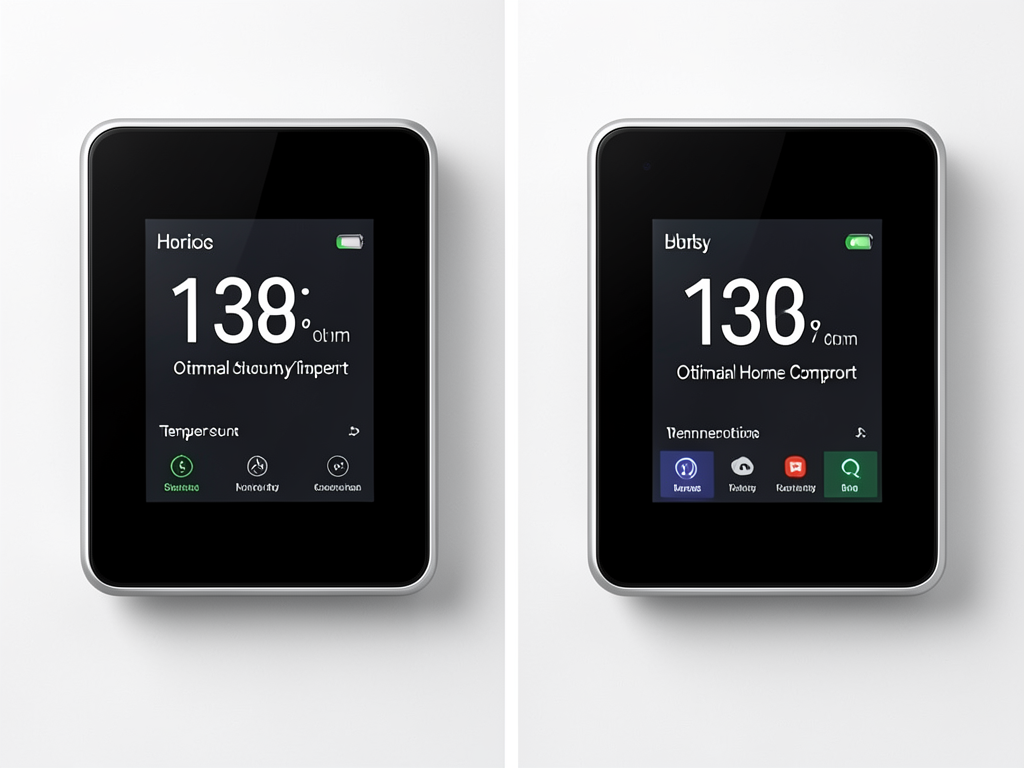
Modern smart thermostats can monitor indoor humidity and automatically adjust HVAC operation. Systems from Ecobee and Nest learn your home’s patterns and can activate humidifiers or dehumidifiers based on both temperature and humidity readings.
For optimal performance in Cincinnati, set your smart thermostat to display both temperature and humidity. During summer, aim for 75°F at 45-50% humidity. In winter, 70°F at 30-35% humidity provides comfort while preventing condensation on windows.. Read more about Balancing the thermostat for multiple generations living in one Blue Ash household.
Expert Tips for Maintaining 45% Humidity Year-Round
Maintaining consistent humidity in Cincinnati requires understanding your home’s specific characteristics and seasonal adjustments. Here are proven strategies from our 15+ years serving the Greater Cincinnati area:
- Test Your Current Humidity
Use a hygrometer to measure current levels in different rooms. Place it away from direct sunlight and drafts for accurate readings. Cincinnati homes often show 10-15% variation between rooms.
- Seasonal Equipment Adjustment
Turn off whole-home humidifiers in summer and dehumidifiers in winter. This prevents equipment conflicts and reduces energy costs while maintaining optimal humidity.
- Monitor Window Performance
Check for condensation on windows during cold snaps. If you see moisture, reduce humidity by 5% increments until condensation disappears. This prevents costly wood rot around window frames.
- Basement Moisture Management
Cincinnati’s clay soil and high water table make basements prone to moisture issues. Use a dedicated dehumidifier set to 50-55% in basements, even during winter months.
- Regular Maintenance Schedule
Replace humidifier water panels annually before heating season. Clean dehumidifier coils every spring. Check humidity settings monthly as seasons change.
The Impact of Humidity on Cincinnati Home Health and Safety
Improper humidity levels affect more than just comfort. Cincinnati’s climate creates specific health and safety concerns that proper humidity control addresses.
Dust mites, a common allergen in Cincinnati homes, thrive when relative humidity exceeds 50%. These microscopic creatures live in bedding, carpets, and upholstery, causing allergic reactions and asthma symptoms. Maintaining humidity below 50% significantly reduces dust mite populations.
Mold growth becomes a serious concern when humidity exceeds 60% for extended periods. Cincinnati’s summer humidity creates ideal conditions for mold, particularly in basements and poorly ventilated areas. The EPA recommends keeping indoor humidity below 60% to prevent mold growth.
Wood-destroying organisms like termites prefer moist environments. Cincinnati’s humid summers can create conditions that attract these pests, particularly in crawl spaces and basements. Proper humidity control makes your home less attractive to wood-destroying insects.
Respiratory health improves significantly when humidity stays within the optimal range. Dry air irritates nasal passages and lungs, while excessive moisture promotes bacterial growth. The ideal 30-50% range supports respiratory health while preventing pathogen proliferation.
Protecting Cincinnati’s Historic Architecture Through Humidity Control
Cincinnati’s rich architectural heritage includes thousands of historic homes built before 1940. These structures require special humidity considerations due to their original materials and construction methods.
Historic homes in neighborhoods like Over-the-Rhine, Columbia-Tusculum, and Walnut Hills often feature original plaster walls, hardwood flooring, and wooden trim. These materials expand and contract with humidity changes, and excessive variation can cause cracking, warping, and separation.
During winter, low humidity causes wood to shrink, creating gaps in hardwood floors and cracking plaster walls. Summer humidity causes expansion, potentially leading to sticking doors and windows. Maintaining consistent 35-40% humidity helps preserve these historic materials.
Many Cincinnati historic homes lack modern vapor barriers and insulation, making them more susceptible to humidity fluctuations. Whole-home humidity control systems help stabilize these structures, preventing the damage that occurs from seasonal expansion and contraction cycles.
For homes in the National Register of Historic Places, maintaining proper humidity isn’t just about comfort—it’s about preserving architectural heritage for future generations.
Energy Efficiency and Humidity Control
Proper humidity control directly impacts your energy bills. When humidity levels are optimal, you can set your thermostat 1-2 degrees higher in summer and lower in winter while maintaining the same comfort level.
According to the U.S. Department of Energy, each degree you adjust your thermostat can save 3-5% on heating and cooling costs. Combined with humidity optimization, this can reduce annual HVAC costs by 10-15%.
Dry winter air feels colder because moisture evaporates from your skin more quickly. By maintaining 30-35% humidity, you can set your thermostat lower while feeling just as warm. Similarly, summer humidity makes air feel warmer, so keeping it at 45-50% allows higher thermostat settings.
Modern variable-speed HVAC systems work most efficiently when humidity is properly controlled. These systems can run at lower speeds to maintain temperature and humidity, using significantly less energy than single-speed units that constantly cycle on and off.
Frequently Asked Questions
What humidity level is too high for my Cincinnati home?
Humidity above 60% creates mold growth risk and discomfort. In Cincinnati’s summer climate, aim for 45-50% maximum. Above 60%, you’ll notice musty odors, window condensation, and potential mold growth, especially in basements.
Can humidity be too low in winter?
Yes, humidity below 25% causes static electricity, dry skin, and respiratory irritation. It can also damage wood furniture and musical instruments. Cincinnati winters often require humidifiers to maintain the recommended 30-35% range.
How do I know if my humidifier is working properly?
Check the water panel monthly during heating season. If it’s dry or has mineral buildup, it needs cleaning or replacement. Also monitor humidity levels with a hygrometer—if they’re not reaching target levels, your system may need adjustment or repair. 24/7 AC repair for restaurants and small businesses in Downtown Cincinnati.
Should I run my humidifier in summer?
No, running a humidifier during Cincinnati’s humid summers can cause condensation problems and mold growth. Summer humidity typically exceeds 60%, so dehumidification is usually needed instead of humidification.
How often should I change my humidifier filter?
Replace water panels annually before heating season begins. In areas with hard water, you may need to clean or replace them more frequently due to mineral buildup that reduces efficiency.

Take Control of Your Home’s Comfort Today
Don’t let Cincinnati’s challenging climate compromise your home’s comfort and your family’s health. Proper humidity control protects your investment, reduces energy costs, and creates a more comfortable living environment year-round.
Our certified technicians understand the unique challenges of the Ohio River Valley climate. We’ll assess your home’s specific needs and recommend the right humidity control solution for your situation.
Call (513) 717-5155 today to schedule your humidity assessment. We’ll help you achieve the perfect balance of comfort, efficiency, and protection for your Cincinnati home.
Pick up the phone and call (513) 717-5155 before the next seasonal change hits. Your home deserves professional humidity control that’s tailored to Cincinnati’s unique climate challenges.
You may also find this helpful. Why inverter technology is the secret to staying comfortable in a drafty Kennedy Heights house.
You may also find this helpful. Why the condensate drain line keeps clogging in your humid Covington home.
{
“@context”: “https://schema.org”,
“@type”: “BlogPosting”,
“headline”: “What is the ideal indoor humidity level for a home in the Cincinnati area?”,
“description”: “Find the perfect humidity range for Cincinnati homes. Learn seasonal settings, health benefits, and how to prevent mold in Ohio’s humid climate.”,
“wordCount”: 1823,
“datePublished”: “2026-04-30T12:46:00.000Z”,
“dateModified”: “2026-04-30T12:46:00.000Z”,
“inLanguage”: “en-US”,
“mainEntityOfPage”: {
“@type”: “WebPage”,
“@id”: “https://fivestarhvaccincinnati.com”
},
“publisher”: {
“@type”: “LocalBusiness”,
“name”: “Five Star HVAC Cincinnati”,
“url”: “https://fivestarhvaccincinnati.com”
},
“author”: {
“@type”: “Organization”,
“name”: “Five Star HVAC Cincinnati”,
“url”: “https://fivestarhvaccincinnati.com”
},
“image”: {
“@type”: “ImageObject”,
“url”: “https://fivestarhvaccincinnati.com/wp-content/uploads/2026/03/what-is-the-ideal-indoor-humidity-level-for-a-home-1.png”
}
}
{
“@context”: “https://schema.org”,
“@type”: “HVACBusiness”,
“name”: “Five Star HVAC Cincinnati”,
“url”: “https://fivestarhvaccincinnati.com”,
“address”: {
“@type”: “PostalAddress”,
“addressLocality”: “Cincinnati”
},
“areaServed”: {
“@type”: “City”,
“name”: “Cincinnati”
}
}
{
“@context”: “https://schema.org”,
“@type”: “FAQPage”,
“mainEntity”: [
{
“@type”: “Question”,
“name”: “What humidity level is too high for my Cincinnati home?”,
“acceptedAnswer”: {
“@type”: “Answer”,
“text”: “Humidity above 60% creates mold growth risk and discomfort. In Cincinnati’s summer climate, aim for 45-50% maximum. Above 60%, you’ll notice musty odors, window condensation, and potential mold growth, especially in basements.”
}
},
{
“@type”: “Question”,
“name”: “Can humidity be too low in winter?”,
“acceptedAnswer”: {
“@type”: “Answer”,
“text”: “Yes, humidity below 25% causes static electricity, dry skin, and respiratory irritation. It can also damage wood furniture and musical instruments. Cincinnati winters often require humidifiers to maintain the recommended 30-35% range.”
}
},
{
“@type”: “Question”,
“name”: “How do I know if my humidifier is working properly?”,
“acceptedAnswer”: {
“@type”: “Answer”,
“text”: “Check the water panel monthly during heating season. If it’s dry or has mineral buildup, it needs cleaning or replacement. Also monitor humidity levels with a hygrometer—if they’re not reaching target levels, your system may need adjustment or repair. 24/7 AC repair for restaurants and small businesses in Downtown Cincinnati.”
}
},
{
“@type”: “Question”,
“name”: “Should I run my humidifier in summer?”,
“acceptedAnswer”: {
“@type”: “Answer”,
“text”: “No, running a humidifier during Cincinnati’s humid summers can cause condensation problems and mold growth. Summer humidity typically exceeds 60%, so dehumidification is usually needed instead of humidification.”
}
},
{
“@type”: “Question”,
“name”: “How often should I change my humidifier filter?”,
“acceptedAnswer”: {
“@type”: “Answer”,
“text”: “Replace water panels annually before heating season begins. In areas with hard water, you may need to clean or replace them more frequently due to mineral buildup that reduces efficiency.”
}
}
]
}
{
“@context”: “https://schema.org”,
“@type”: “HowTo”,
“name”: “Maintaining Optimal Home Humidity”,
“step”: [
{
“@type”: “HowToStep”,
“position”: 1,
“name”: “Test Your Current Humidity”,
“text”: “Use a hygrometer to measure current levels in different rooms. Place it away from direct sunlight and drafts for accurate readings. Cincinnati homes often show 10-15% variation between rooms.”
},
{
“@type”: “HowToStep”,
“position”: 2,
“name”: “Seasonal Equipment Adjustment”,
“text”: “Turn off whole-home humidifiers in summer and dehumidifiers in winter. This prevents equipment conflicts and reduces energy costs while maintaining optimal humidity.”
},
{
“@type”: “HowToStep”,
“position”: 3,
“name”: “Monitor Window Performance”,
“text”: “Check for condensation on windows during cold snaps. If you see moisture, reduce humidity by 5% increments until condensation disappears. This prevents costly wood rot around window frames.”
},
{
“@type”: “HowToStep”,
“position”: 4,
“name”: “Basement Moisture Management”,
“text”: “Cincinnati’s clay soil and high water table make basements prone to moisture issues. Use a dedicated dehumidifier set to 50-55% in basements, even during winter months.”
},
{
“@type”: “HowToStep”,
“position”: 5,
“name”: “Regular Maintenance Schedule”,
“text”: “Replace humidifier water panels annually before heating season. Clean dehumidifier coils every spring. Check humidity settings monthly as seasons change.”
}
],
“image”: “https://fivestarhvaccincinnati.com/wp-content/uploads/2026/03/what-is-the-ideal-indoor-humidity-level-for-a-home-1.png”
}
{
“@context”: “https://schema.org”,
“@type”: “BreadcrumbList”,
“itemListElement”: [
{
“@type”: “ListItem”,
“position”: 1,
“name”: “Home”,
“item”: “https://fivestarhvaccincinnati.com”
},
{
“@type”: “ListItem”,
“position”: 2,
“name”: “Blog”,
“item”: “https://fivestarhvaccincinnati.com/blog”
},
{
“@type”: “ListItem”,
“position”: 3,
“name”: “What is the ideal indoor humidity level for a home in the Cincinnati area?”
}
]
}
{
“@context”: “https://schema.org”,
“@type”: “Service”,
“serviceType”: “HVAC”,
“provider”: {
“@type”: “LocalBusiness”,
“name”: “Five Star HVAC Cincinnati”,
“url”: “https://fivestarhvaccincinnati.com”
},
“areaServed”: {
“@type”: “City”,
“name”: “Cincinnati”
},
“description”: “Find the perfect humidity range for Cincinnati homes. Learn seasonal settings, health benefits, and how to prevent mold in Ohio’s humid climate.”
}