
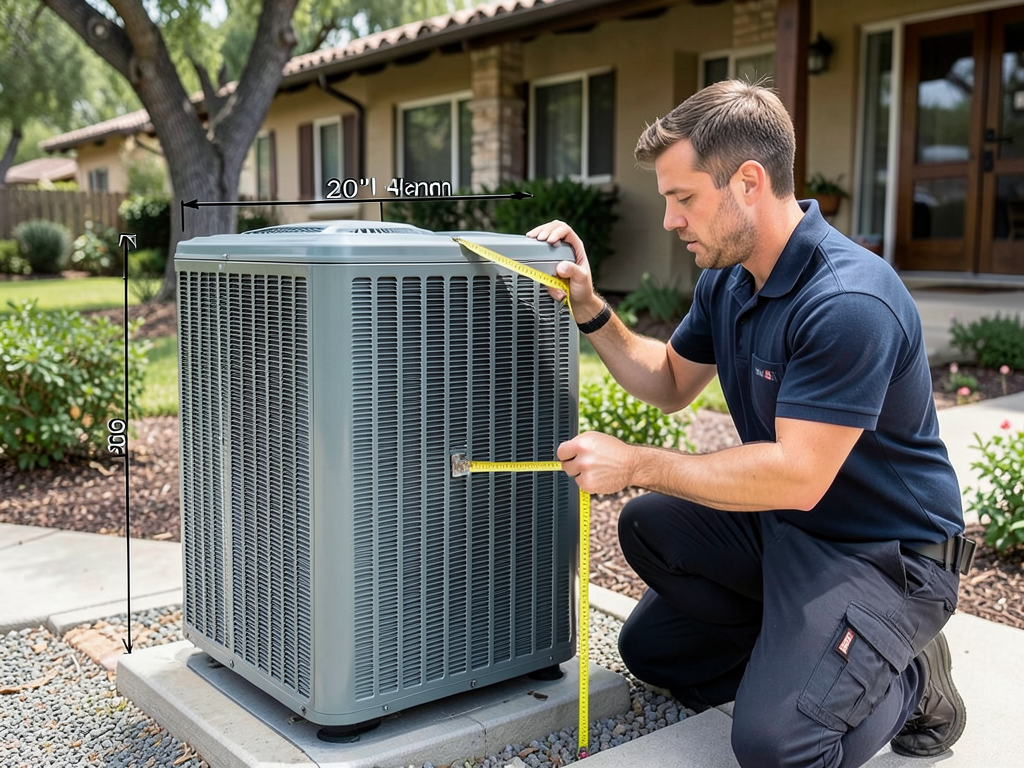
How to hide an outdoor AC unit without ruining the curb appeal of your Glendale historic home
Living in Glendale means preserving the historic charm of your home while keeping modern comforts like air conditioning. The good news is you can hide that bulky outdoor AC unit without sacrificing efficiency or airflow. The key is understanding the clearance requirements and choosing the right screening materials that work with Cincinnati’s humid climate.
Before you build any enclosure, you need to know the basic safety rules. Your AC condenser needs 12-24 inches of clearance on all sides for proper airflow. Blocking this space can cause your unit to overheat, reduce efficiency by up to 30%, and void your warranty. The top also needs 60 inches of clearance above the unit to allow hot air to escape. HVAC Warranty Guide.
Glendale’s historic district has specific guidelines about exterior modifications. Any permanent structure near your AC unit should complement your home’s architectural style while meeting Hamilton County mechanical code requirements for service access. You’ll also want to consider how Ohio’s freeze-thaw cycles and heavy spring rains affect different materials.
Call (513) 717-5155 today to schedule your inspection. Our NATE-certified technicians can assess your specific unit’s clearance needs and recommend the safest hiding options for your Glendale home.
Understanding airflow requirements and safety clearance
Your AC condenser works by pulling in air through the sides, cooling it over refrigerant coils, then pushing hot air out the top. When you restrict this airflow, the compressor has to work harder, using more electricity and wearing out faster. Think of it like trying to breathe through a straw while running. Cooling Tower Services.
The National Electrical Code requires a minimum 36-inch working clearance in front of the disconnect switch. This means any screen or fence needs a hinged gate or removable panel for technician access. Without this, you could face code violations and repair delays when your unit needs service. EPA HVAC maintenance recommendations.
Ohio’s climate adds another layer of concern. Our humid summers mean your unit produces more condensation than units in drier climates. Poor airflow can trap this moisture, creating mold growth and rust on the coils. The freeze-thaw cycles in winter can also cause wooden screens to warp if they’re too close to the unit.
Call (513) 717-5155 before the next storm hits. We can measure your exact clearance requirements and show you how different hiding options affect your unit’s efficiency.
Top 10 aesthetic hiding ideas for Glendale homes
Choosing the right hiding method depends on your home’s style, your maintenance preferences, and how much noise reduction you need. Here are the most popular options that work well in Glendale’s historic district. Furnace Maintenance Checklist.
- Assess your needs
Measure your unit’s dimensions and note any HOA restrictions in Glendale’s historic district.
- Consider maintenance access
Plan for hinged panels or removable sections for service calls.
- Choose climate-appropriate materials
Ohio weather requires durable materials that resist moisture and temperature changes.
- Check clearance requirements
Maintain 12-24 inches on sides and 60 inches above the unit.
- Plan for drainage
Ensure your hiding method doesn’t trap water around the unit’s base.
The most successful hiding solutions combine functionality with aesthetic appeal. For example, a louvered wood screen provides good airflow while blocking the view of the unit. Metal screens offer durability against Cincinnati’s weather but may need powder coating to prevent rust.
Living walls using hardy plants can soften the industrial look of an AC unit. However, you need to choose plants that don’t drop excessive leaves or seeds into the condenser coils. Evergreen shrubs like boxwoods work well because they maintain their shape year-round and don’t shed debris.. Read more about How to choose between a standard heat pump and a high velocity system for your Northside Victorian.
Sound-dampening enclosures can reduce the noise from your unit by 5-10 decibels. This is especially valuable for Glendale homes where outdoor living spaces are close to the AC location. Materials like acoustic fencing or double-wall composite panels absorb vibration while maintaining necessary airflow.
Call (513) 717-5155 today to schedule your inspection. We’ll help you choose the best hiding option that keeps your unit running efficiently and your home looking beautiful.
Cincinnati-specific landscaping options for AC screening
Ohio’s climate zone 6a/6b means you need plants that can handle both humid summers and cold winters. The key is selecting species that provide year-round screening without creating maintenance headaches. Native plants are your best bet because they’re adapted to local conditions and support local wildlife.
Boxwood shrubs are excellent for AC screening because they grow slowly, maintain a compact shape, and don’t drop leaves into the unit. Plant them 24-36 inches from the unit to maintain proper clearance. They’re also resistant to most Ohio pests and diseases.
Ornamental grasses like switchgrass or little bluestem provide a softer, more natural look. These native grasses grow 3-5 feet tall and move beautifully in the breeze. They die back in winter but leave attractive seed heads that provide winter interest. Plant them in groups of three or five for the best visual impact.
Holly bushes offer evergreen screening with the bonus of red berries in winter. They’re tolerant of the clay soil common in Hamilton County and can handle the occasional flooding from heavy rains. Choose dwarf varieties that stay under 6 feet tall to avoid blocking airflow.
Avoid trees with aggressive root systems like silver maple or willow near your AC unit. Their roots can damage the concrete pad and their leaves create constant cleaning problems. Also avoid plants that attract bees or wasps if your family has allergies.. Read more about Is duct cleaning actually worth it for older homes in the Gaslight District of Clifton?.
Call (513) 717-5155 before the next storm hits. Our team can recommend specific plant varieties that thrive in Glendale’s microclimate and won’t interfere with your AC’s performance.
Maintenance accessibility and service requirements
Even the most beautiful AC hiding solution becomes a problem if it prevents proper maintenance. Your technician needs clear access to several key components: the disconnect switch, the service panel, the refrigerant lines, and the electrical connections. Without this access, routine maintenance becomes difficult and emergency repairs can be delayed. Emergency furnace repair services for Indian Hill homeowners available right now.
The disconnect switch should be visible and reachable without removing any panels. This is a National Electrical Code requirement for safety. If your hiding solution blocks this switch, you’re creating a dangerous situation where a technician might have to work on a live unit.
Service panels on the top of the unit need to be removable for coil cleaning and fan maintenance. Some homeowners build beautiful enclosures that look great but require dismantling to access these panels. This adds labor costs to every service call and may discourage regular maintenance.
Consider installing a gravel bed around your unit as part of your hiding solution. This prevents weed growth, improves drainage, and makes it easier for technicians to work. A 3-foot wide gravel strip also helps you maintain the proper clearance distances from any screening materials.
Plan your hiding solution with seasonal maintenance in mind. Spring requires coil cleaning to remove pollen buildup. Fall needs leaf removal to prevent airflow restriction. Winter might need snow removal from the top and sides. Your hiding method should make these tasks easier, not harder.
Call (513) 717-5155 today to schedule your inspection. We’ll show you how to design an AC hiding solution that looks great and makes maintenance simple.
Noise reduction benefits of different enclosure types
Outdoor AC units can produce noise levels between 50-80 decibels, which is as loud as a vacuum cleaner or normal conversation. If your unit is near bedrooms or outdoor living spaces, this noise can be disruptive. The right hiding solution can significantly reduce these sound levels while maintaining proper airflow.
Acoustic fencing is specifically designed to absorb and deflect sound waves. These panels typically have a solid core with sound-absorbing material inside. When installed correctly with proper clearance, they can reduce noise by 5-10 decibels. This might not seem like much, but a 10-decibel reduction makes the sound seem half as loud to your ears.
Double-wall composite panels offer excellent noise reduction while being weather-resistant. The air gap between the walls acts as an additional sound barrier. These panels come in various colors and textures that can complement your home’s exterior. They’re also low-maintenance and resist the warping that can affect wood in Cincinnati’s humid climate.
Living sound barriers using dense evergreen plants can provide both visual screening and noise reduction. Plants like arborvitae or Leyland cypress can reduce noise by 3-5 decibels when planted in a continuous row. The key is choosing varieties that grow thick and tall enough to create an effective sound barrier.
Mass-loaded vinyl barriers can be installed behind decorative screens for additional sound dampening. This material is used in recording studios and is excellent at blocking low-frequency noise that carries the farthest. It’s weather-resistant and can be painted to match your exterior colors.
Remember that noise reduction works best when you address the source. A well-maintained unit with clean coils and properly lubricated bearings will be quieter than a neglected one. Regular maintenance can reduce noise levels by 2-3 decibels on its own.
Call (513) 717-5155 before the next storm hits. We can evaluate your unit’s noise levels and recommend the most effective sound-dampening solutions for your Glendale home.
Seasonal maintenance tips for enclosed AC units
Once you’ve hidden your AC unit, you need to adjust your maintenance routine. Enclosed units can trap debris, moisture, and even small animals, leading to performance issues if not properly maintained. A good maintenance schedule will keep your unit running efficiently and extend its lifespan.
Spring maintenance should focus on removing winter debris and preparing for summer cooling. Check for leaves, twigs, and animal nests that may have accumulated over the winter. Clean the coils with a garden hose on gentle spray setting. Check that all screening panels are secure and haven’t been damaged by winter weather.
Summer requires monitoring for pollen buildup, which is especially heavy in Cincinnati. Check your filters monthly and replace them as needed. Ensure that any plant screening isn’t growing too close to the unit. Trim back any vegetation that’s within 24 inches of the unit.
Fall maintenance focuses on leaf removal. Cincinnati’s oak and maple trees produce massive amounts of leaves that can quickly block your unit’s airflow. Consider installing a mesh screen over the top of your unit during fall to catch leaves while still allowing hot air to escape.
Winter preparation depends on your specific hiding solution. If you’re using a removable screen, consider taking it down for winter to allow snow and ice to slide off freely. If you have a permanent structure, ensure it’s rated for Ohio’s snow loads and won’t collapse under heavy snow.
Annual professional maintenance is even more important for enclosed units. Your technician should check for rust, clean the coils thoroughly, lubricate moving parts, and verify that all electrical connections are secure. They should also check that your hiding solution isn’t causing any efficiency problems.
Document your maintenance schedule and keep records of any modifications to your unit’s surroundings. This information helps technicians diagnose problems faster and can be valuable if you ever need warranty service.
Call (513) 717-5155 today to schedule your inspection. Our comprehensive maintenance service includes checking your hiding solution’s impact on your unit’s performance.
Frequently Asked Questions
How close can I build a fence around my AC unit?
You need 12-24 inches of clearance on all sides for proper airflow. The top needs 60 inches of clearance. Always check your specific unit’s manual for exact requirements.
Will hiding my AC unit void the warranty?
Not if you maintain proper clearance and access. However, if your hiding solution causes overheating or prevents maintenance, it could void the warranty. Always follow manufacturer guidelines.
What’s the best material for AC screening in Cincinnati’s climate?
Composite materials or powder-coated metal resist our humid climate best. Wood can work if properly treated but requires more maintenance. Avoid materials that trap moisture against the unit.
How much does professional AC hiding installation cost?
Costs vary based on materials and complexity. Simple lattice screens might cost $200-500, while custom acoustic enclosures can run $1,000-3,000. Professional installation ensures proper clearance and code compliance.
Can I use my AC unit as a trellis for climbing plants?
It’s not recommended. Plants can grow into the unit, block airflow, and create moisture problems. If you want climbing plants, build a separate trellis structure at least 24 inches away from the unit.
How often should I clean my AC unit if it’s enclosed?
Check it monthly during cooling season. Enclosed units can trap more debris than open ones. Look for leaves, dirt, and signs of pest activity. Professional cleaning should be done annually.
Will a hidden AC unit affect my home’s energy efficiency?
Properly designed hiding solutions shouldn’t affect efficiency. However, if airflow is restricted or the unit overheats, you could see efficiency drop by 10-30%. Always maintain recommended clearance distances.
Do I need a permit to build an AC enclosure in Glendale?
Historic district guidelines may apply. Check with the Glendale Historic Preservation Commission before building any permanent structure. You may need approval to ensure your design matches the neighborhood character.
What plants are safe to use near an AC unit?
Choose plants that don’t drop excessive debris and can handle the heat and airflow from the unit. Boxwoods, ornamental grasses, and certain evergreens work well. Avoid trees and plants with aggressive root systems.
How can I tell if my hiding solution is affecting my AC’s performance?
Signs include longer cooling cycles, higher energy bills, or the unit running constantly without reaching the set temperature. If you notice these issues, have a technician check your clearance and airflow. Energy Department AC efficiency guidelines.
Is it better to hide the AC unit or just landscape around it?
Simple landscaping is often the best solution. It provides visual screening without the risks of airflow restriction. If you want more substantial screening, choose designs that maintain proper clearance and access.
Can I paint my AC unit to match my house?
Don’t paint the unit itself as this can affect heat dissipation and void warranties. However, you can paint surrounding screens or structures to match your home’s exterior colors.
What should I do if my AC unit is in a very visible location?
Consider a combination approach using both structural screening and strategic landscaping. A decorative screen with climbing plants can create an attractive focal point while hiding the utilitarian unit.
How do I maintain proper clearance in winter when snow piles up?
Mark the clearance zone with stakes before winter. After heavy snow, clear snow away from the unit, maintaining at least 24 inches of clearance on all sides. Never pile snow on top of the unit.
Can I use my AC unit as a base for a small garden or decorative feature?
Keep the area around your AC unit clear. Don’t place planters, statues, or other objects within the required clearance zone. These items can block airflow and make maintenance difficult.
What’s the most low-maintenance way to hide an AC unit?
A simple lattice screen with climbing vines offers good visual screening with minimal maintenance. Choose slow-growing vines and install the screen with proper clearance for easy access.
How do I choose between a solid screen and a louvered one?
Louverd screens provide better airflow and are generally safer for your unit’s performance. Solid screens offer more privacy but may trap heat. If you choose solid, ensure plenty of top clearance for hot air escape.
Can I build a storage bench or box around my AC unit?
Only if it’s designed with proper ventilation and removable panels for access. The storage area should be separate from the AC clearance zone, and the structure must allow for maintenance access.
What are the signs I need to adjust my AC hiding solution?
Watch for reduced cooling efficiency, unusual noises, or the unit running longer than normal. Also check for rust, mold, or moisture buildup around the unit, which can indicate poor ventilation.
You may also find this helpful. Dealing with HOA rules when replacing your AC unit in a Downtown Cincinnati condo.
{
“@context”: “https://schema.org”,
“@type”: “BlogPosting”,
“headline”: “How to hide an outdoor AC unit without ruining the curb appeal of your Glendale historic home”,
“description”: “Protect your Glendale home’s charm with safe AC hiding solutions. Learn airflow clearance, noise reduction, and Cincinnati-specific landscaping that keeps your unit efficient.”,
“wordCount”: 2670,
“datePublished”: “2026-05-02T07:47:00.000Z”,
“dateModified”: “2026-05-02T07:47:00.000Z”,
“inLanguage”: “en-US”,
“mainEntityOfPage”: {
“@type”: “WebPage”,
“@id”: “https://fivestarhvaccincinnati.com”
},
“publisher”: {
“@type”: “LocalBusiness”,
“name”: “Five Star HVAC Cincinnati”,
“url”: “https://fivestarhvaccincinnati.com”
},
“author”: {
“@type”: “Organization”,
“name”: “Five Star HVAC Cincinnati”,
“url”: “https://fivestarhvaccincinnati.com”
},
“image”: {
“@type”: “ImageObject”,
“url”: “https://fivestarhvaccincinnati.com/wp-content/uploads/2026/03/how-to-hide-an-outdoor-ac-unit-without-ruining-the-1.png”
}
}
{
“@context”: “https://schema.org”,
“@type”: “HVACBusiness”,
“name”: “Five Star HVAC Cincinnati”,
“url”: “https://fivestarhvaccincinnati.com”,
“address”: {
“@type”: “PostalAddress”,
“addressLocality”: “Cincinnati”
},
“areaServed”: {
“@type”: “City”,
“name”: “Cincinnati”
}
}
{
“@context”: “https://schema.org”,
“@type”: “FAQPage”,
“mainEntity”: [
{
“@type”: “Question”,
“name”: “How close can I build a fence around my AC unit?”,
“acceptedAnswer”: {
“@type”: “Answer”,
“text”: “You need 12-24 inches of clearance on all sides for proper airflow. The top needs 60 inches of clearance. Always check your specific unit’s manual for exact requirements.”
}
},
{
“@type”: “Question”,
“name”: “Will hiding my AC unit void the warranty?”,
“acceptedAnswer”: {
“@type”: “Answer”,
“text”: “Not if you maintain proper clearance and access. However, if your hiding solution causes overheating or prevents maintenance, it could void the warranty. Always follow manufacturer guidelines.”
}
},
{
“@type”: “Question”,
“name”: “What’s the best material for AC screening in Cincinnati’s climate?”,
“acceptedAnswer”: {
“@type”: “Answer”,
“text”: “Composite materials or powder-coated metal resist our humid climate best. Wood can work if properly treated but requires more maintenance. Avoid materials that trap moisture against the unit.”
}
},
{
“@type”: “Question”,
“name”: “How much does professional AC hiding installation cost?”,
“acceptedAnswer”: {
“@type”: “Answer”,
“text”: “Costs vary based on materials and complexity. Simple lattice screens might cost $200-500, while custom acoustic enclosures can run $1,000-3,000. Professional installation ensures proper clearance and code compliance.”
}
},
{
“@type”: “Question”,
“name”: “Can I use my AC unit as a trellis for climbing plants?”,
“acceptedAnswer”: {
“@type”: “Answer”,
“text”: “It’s not recommended. Plants can grow into the unit, block airflow, and create moisture problems. If you want climbing plants, build a separate trellis structure at least 24 inches away from the unit.”
}
},
{
“@type”: “Question”,
“name”: “How often should I clean my AC unit if it’s enclosed?”,
“acceptedAnswer”: {
“@type”: “Answer”,
“text”: “Check it monthly during cooling season. Enclosed units can trap more debris than open ones. Look for leaves, dirt, and signs of pest activity. Professional cleaning should be done annually.”
}
},
{
“@type”: “Question”,
“name”: “Will a hidden AC unit affect my home’s energy efficiency?”,
“acceptedAnswer”: {
“@type”: “Answer”,
“text”: “Properly designed hiding solutions shouldn’t affect efficiency. However, if airflow is restricted or the unit overheats, you could see efficiency drop by 10-30%. Always maintain recommended clearance distances.”
}
},
{
“@type”: “Question”,
“name”: “Do I need a permit to build an AC enclosure in Glendale?”,
“acceptedAnswer”: {
“@type”: “Answer”,
“text”: “Historic district guidelines may apply. Check with the Glendale Historic Preservation Commission before building any permanent structure. You may need approval to ensure your design matches the neighborhood character.”
}
},
{
“@type”: “Question”,
“name”: “What plants are safe to use near an AC unit?”,
“acceptedAnswer”: {
“@type”: “Answer”,
“text”: “Choose plants that don’t drop excessive debris and can handle the heat and airflow from the unit. Boxwoods, ornamental grasses, and certain evergreens work well. Avoid trees and plants with aggressive root systems.”
}
},
{
“@type”: “Question”,
“name”: “How can I tell if my hiding solution is affecting my AC’s performance?”,
“acceptedAnswer”: {
“@type”: “Answer”,
“text”: “Signs include longer cooling cycles, higher energy bills, or the unit running constantly without reaching the set temperature. If you notice these issues, have a technician check your clearance and airflow. Energy Department AC efficiency guidelines.”
}
},
{
“@type”: “Question”,
“name”: “Is it better to hide the AC unit or just landscape around it?”,
“acceptedAnswer”: {
“@type”: “Answer”,
“text”: “Simple landscaping is often the best solution. It provides visual screening without the risks of airflow restriction. If you want more substantial screening, choose designs that maintain proper clearance and access.”
}
},
{
“@type”: “Question”,
“name”: “Can I paint my AC unit to match my house?”,
“acceptedAnswer”: {
“@type”: “Answer”,
“text”: “Don’t paint the unit itself as this can affect heat dissipation and void warranties. However, you can paint surrounding screens or structures to match your home’s exterior colors.”
}
},
{
“@type”: “Question”,
“name”: “What should I do if my AC unit is in a very visible location?”,
“acceptedAnswer”: {
“@type”: “Answer”,
“text”: “Consider a combination approach using both structural screening and strategic landscaping. A decorative screen with climbing plants can create an attractive focal point while hiding the utilitarian unit.”
}
},
{
“@type”: “Question”,
“name”: “Can I use my AC unit as a base for a small garden or decorative feature?”,
“acceptedAnswer”: {
“@type”: “Answer”,
“text”: “Keep the area around your AC unit clear. Don’t place planters, statues, or other objects within the required clearance zone. These items can block airflow and make maintenance difficult.”
}
},
{
“@type”: “Question”,
“name”: “What’s the most low-maintenance way to hide an AC unit?”,
“acceptedAnswer”: {
“@type”: “Answer”,
“text”: “A simple lattice screen with climbing vines offers good visual screening with minimal maintenance. Choose slow-growing vines and install the screen with proper clearance for easy access.”
}
},
{
“@type”: “Question”,
“name”: “How do I choose between a solid screen and a louvered one?”,
“acceptedAnswer”: {
“@type”: “Answer”,
“text”: “Louverd screens provide better airflow and are generally safer for your unit’s performance. Solid screens offer more privacy but may trap heat. If you choose solid, ensure plenty of top clearance for hot air escape.”
}
},
{
“@type”: “Question”,
“name”: “Can I build a storage bench or box around my AC unit?”,
“acceptedAnswer”: {
“@type”: “Answer”,
“text”: “Only if it’s designed with proper ventilation and removable panels for access. The storage area should be separate from the AC clearance zone, and the structure must allow for maintenance access.”
}
},
{
“@type”: “Question”,
“name”: “What are the signs I need to adjust my AC hiding solution?”,
“acceptedAnswer”: {
“@type”: “Answer”,
“text”: “Watch for reduced cooling efficiency, unusual noises, or the unit running longer than normal. Also check for rust, mold, or moisture buildup around the unit, which can indicate poor ventilation.”
}
}
]
}
{
“@context”: “https://schema.org”,
“@type”: “HowTo”,
“name”: “How to choose the right AC hiding method”,
“step”: [
{
“@type”: “HowToStep”,
“position”: 1,
“name”: “Assess your needs”,
“text”: “Measure your unit’s dimensions and note any HOA restrictions in Glendale’s historic district.”
},
{
“@type”: “HowToStep”,
“position”: 2,
“name”: “Consider maintenance access”,
“text”: “Plan for hinged panels or removable sections for service calls.”
},
{
“@type”: “HowToStep”,
“position”: 3,
“name”: “Choose climate-appropriate materials”,
“text”: “Ohio weather requires durable materials that resist moisture and temperature changes.”
},
{
“@type”: “HowToStep”,
“position”: 4,
“name”: “Check clearance requirements”,
“text”: “Maintain 12-24 inches on sides and 60 inches above the unit.”
},
{
“@type”: “HowToStep”,
“position”: 5,
“name”: “Plan for drainage”,
“text”: “Ensure your hiding method doesn’t trap water around the unit’s base.”
}
],
“image”: “https://fivestarhvaccincinnati.com/wp-content/uploads/2026/03/how-to-hide-an-outdoor-ac-unit-without-ruining-the-1.png”
}
{
“@context”: “https://schema.org”,
“@type”: “BreadcrumbList”,
“itemListElement”: [
{
“@type”: “ListItem”,
“position”: 1,
“name”: “Home”,
“item”: “https://fivestarhvaccincinnati.com”
},
{
“@type”: “ListItem”,
“position”: 2,
“name”: “Blog”,
“item”: “https://fivestarhvaccincinnati.com/blog”
},
{
“@type”: “ListItem”,
“position”: 3,
“name”: “How to hide an outdoor AC unit without ruining the curb appeal of your Glendale historic home”
}
]
}
{
“@context”: “https://schema.org”,
“@type”: “Service”,
“serviceType”: “HVAC”,
“provider”: {
“@type”: “LocalBusiness”,
“name”: “Five Star HVAC Cincinnati”,
“url”: “https://fivestarhvaccincinnati.com”
},
“areaServed”: {
“@type”: “City”,
“name”: “Cincinnati”
},
“description”: “Protect your Glendale home’s charm with safe AC hiding solutions. Learn airflow clearance, noise reduction, and Cincinnati-specific landscaping that keeps your unit efficient.”
}