


Norwood sits in the heart of the Ohio River Valley, where humidity and temperature swings test every HVAC system. Summer days push into the 90s with humidity that makes it feel like 100 degrees. Winter temperatures drop below freezing for weeks at a time. Your system runs harder here than in drier or more moderate climates.
The soil throughout the Norwood area holds moisture, which increases basement humidity and forces air conditioners to work overtime removing dampness. Older homes near Williams Avenue and the neighborhoods around Allison Park were built before central air was standard, so retrofit systems strain to cool spaces never designed for ductwork. Homes near the Mill Creek floodplain face even higher moisture loads.
When your furnace or air conditioner breaks down in Norwood, it's not just uncomfortable. High humidity promotes mold growth within days. Frozen pipes can burst when heating fails. Every hour without climate control increases the risk of property damage and health problems. Fast response matters here because the weather doesn't give you a grace period to shop around.
Five Star HVAC Cincinnati has built its reputation on showing up when it matters most. We serve Norwood and the greater Cincinnati metro with the kind of response time that stops a bad situation from becoming a disaster. Our technicians live and work in this area, so they know the housing stock, understand the climate challenges, and arrive at your door fast because they're already close by.
We've seen every type of system failure Norwood homes experience. We've replaced compressors in bungalows near Quatman Cafe that run window units all summer. We've repaired furnaces in split-levels near Surrey Square Mall where ductwork was added decades after the home was built. We've diagnosed refrigerant leaks in ranch homes near Norwood Plaza where the original equipment is still running after 30 years.
What sets us apart is not just speed but capability. Our trucks carry the parts most likely to fail in this region. We stock capacitors, contactors, ignitors, and thermostats that fit the systems common to Norwood homes. That means fewer trips back to the warehouse and faster repairs when you're already stressed. We also communicate clearly. You'll know what failed, why it happened, what we're doing to fix it, and what it costs before we start work. No surprises, no runaround, no waiting days for answers while your family sweats or freezes.

When your system fails, we dispatch immediately. Our technicians arrive equipped to diagnose and repair most problems on the first visit. We serve Norwood 24 hours a day because HVAC emergencies don't wait for business hours. You call, we come, we fix it.

Our trucks carry the components that fail most often in this climate. Capacitors, motors, thermostats, and refrigerant are on board before we arrive. That means same-day repairs instead of waiting for parts to ship. We come ready to solve your problem now.
You'll receive a clear explanation of what's wrong and exactly what it costs to fix it before any work begins. No hidden fees, no surprise charges, no pressure tactics. Just honest assessment and straightforward pricing so you can make informed decisions about your home.
We know Norwood's housing stock and the specific challenges homes face here. From humidity problems near Mill Creek to retrofit systems in older neighborhoods, we've solved these issues hundreds of times. Local experience means faster diagnosis and better solutions for your home.
Five Star HVAC Cincinnati handles every type of heating and cooling problem Norwood homes experience. We repair central air systems that won't cool, furnaces that won't heat, and everything in between. We service all brands and all ages of equipment, from new high-efficiency units to older workhorses that have been running for decades.
Our service range covers emergency repairs when systems fail completely, planned maintenance to prevent failures before they happen, and full system replacements when repair no longer makes financial sense. We work on forced air furnaces, heat pumps, central air conditioners, ductless mini-splits, and hybrid systems. Whether you need a quick fix to restore comfort or a complete evaluation of an aging system, we provide the service that matches your situation. The goal is always the same: get your home comfortable again as fast as possible with work that lasts.
When your air conditioner quits cooling or your furnace won't ignite, you need immediate help. We diagnose the failure, explain what happened, and restore your system fast. From failed compressors to broken heat exchangers, we handle urgent breakdowns that can't wait. Our emergency service runs around the clock because climate control failures don't respect business hours. We arrive ready to fix the problem on the first visit.
Regular maintenance keeps systems running longer and prevents emergency breakdowns. We inspect every component, clean coils and burners, check refrigerant levels, test electrical connections, and catch small problems before they become expensive failures. Scheduled service in spring and fall prepares your equipment for the seasons when it works hardest. This is how you avoid the midnight furnace failure or the weekend air conditioner breakdown.
Old systems eventually reach the point where continued repairs cost more than replacement. We evaluate your existing equipment honestly and explain when replacement makes better financial sense. New installations include proper sizing for your home, ductwork evaluation and modification when needed, and equipment that matches Norwood's climate demands. We remove the old system, install the new one, and make sure everything runs correctly before we leave.
Norwood's humidity and temperature extremes create specific problems for heating and cooling systems. The constant moisture in the air forces air conditioners to remove water as well as heat, which strains compressors and clogs drain lines. Freezing winters push furnaces to run for hours without breaks, which accelerates wear on heat exchangers and blower motors.
Older homes throughout the area face additional challenges. Many were built before central air conditioning became standard, so ductwork was added later and may not distribute air efficiently. Insulation in walls and attics often falls short of modern standards, which makes systems work harder to maintain temperature. These factors combine to create the breakdowns and inefficiencies we repair every day across Norwood.
High humidity accelerates corrosion on refrigerant lines and coil connections. Small leaks reduce cooling capacity gradually, so you don't notice until the system can't keep up on hot days. We locate leaks, repair them, and recharge systems to restore full cooling performance.
Air conditioners in this region remove gallons of moisture every day. Drain lines clog with algae and sediment, which causes water to back up and shut down the system. Regular cleaning prevents emergency shutdowns during the hottest weather when you need cooling most.
Furnaces that run constantly during cold winters develop stress cracks in heat exchangers over time. Cracks allow combustion gases to mix with household air, which creates a dangerous carbon monoxide hazard. We inspect heat exchangers during maintenance and replace them when cracks appear.
Retrofit ductwork in older Norwood homes often leaks conditioned air into attics and crawlspaces. Poorly sized ducts create uneven temperatures between rooms. We test airflow, seal leaks, and modify ductwork to deliver consistent comfort throughout your home without wasting energy.
When you contact Five Star HVAC Cincinnati, you're getting a service experience designed around speed, clarity, and results. We answer calls promptly, dispatch technicians fast, and communicate clearly at every step. You won't wait on hold, wonder when someone will arrive, or struggle to understand what's wrong with your system.
Our goal is to eliminate the stress and confusion that usually comes with HVAC emergencies. From the first phone call to the final system test, you'll know what's happening, why it's necessary, and what it costs. This is how professional HVAC service should work: responsive, transparent, and focused entirely on getting your home comfortable again.
When you call, we gather basic information about your problem and schedule a technician immediately. You'll receive a clear arrival window, not a vague "sometime today" promise. We text or call when the technician is on the way. For true emergencies, we prioritize dispatch to get someone to your home as quickly as possible, often within hours.
Our technician inspects your system completely, tests components, and identifies exactly what failed. You'll receive a clear explanation of the problem in plain language, not technical jargon. Before any repair work begins, you'll know the cost. We provide written estimates for your approval. No hidden charges appear later. The price we quote is the price you pay.
Once you approve the work, we complete repairs efficiently using quality parts that last. After the fix, we test the entire system to confirm it's running correctly. You'll see the results yourself before we leave. We also explain what happened, why it failed, and what you can do to prevent the same problem in the future.
We've refined our service process to eliminate delays and confusion. Every job follows the same straightforward path from emergency call to restored comfort.
Call (513) 717-5155 and describe your HVAC problem. We'll ask a few quick questions about symptoms and your system type. Based on urgency, we dispatch a technician immediately. You receive a clear arrival window and updates as the technician travels to your Norwood home. Emergency calls get priority scheduling to minimize your discomfort and prevent property damage.
The technician inspects your system, runs diagnostic tests, and identifies the failed component. You receive a complete explanation of what's wrong and why it happened. We provide a written estimate for the repair. Once you approve the price and scope of work, we proceed immediately. Most repairs finish the same day because our trucks carry common parts.
We complete the repair work using quality components designed for long service life. After installation, we test the entire system under operating conditions to confirm proper performance. You'll see your air conditioner cooling or furnace heating before we leave. We clean up completely, answer any questions, and provide maintenance recommendations to keep your system running reliably.
Norwood sits in Climate Zone 5A under the International Energy Conservation Code, which defines the heating and cooling loads HVAC systems must handle. This zone experiences 4,000 to 5,000 heating degree days and 1,000 to 1,500 cooling degree days annually. That means furnaces work harder than air conditioners over the course of a year, but summer humidity makes cooling equally critical for comfort and indoor air quality.
Proper HVAC sizing follows Manual J load calculations that account for home square footage, insulation values, window area, orientation, and infiltration rates. Oversized systems short-cycle, which wastes energy and fails to remove humidity effectively. Undersized systems run constantly without reaching setpoint temperature. Many Norwood homes have improperly sized equipment because contractors used rule-of-thumb estimates instead of performing actual load calculations. We size replacement systems correctly using detailed measurements and calculations specific to your home.
Refrigerant regulations have changed dramatically over the past decade. R-22 refrigerant, common in systems installed before 2010, is no longer produced in the United States. Systems using R-22 can still be repaired, but refrigerant costs have increased substantially as remaining supplies dwindle. Newer systems use R-410A refrigerant, which operates at higher pressures and requires different components. When R-22 systems develop major leaks or component failures, replacement often makes better economic sense than expensive repairs using scarce refrigerant.
Furnace efficiency is measured by Annual Fuel Utilization Efficiency ratings. Older furnaces typically operate at 60 to 70 percent AFUE, meaning 30 to 40 percent of fuel energy escapes through the vent. Modern condensing furnaces achieve 95 percent AFUE or higher by extracting more heat from combustion gases. For homes heating with natural gas or propane, upgrading to high-efficiency equipment reduces fuel consumption by 25 to 35 percent. The savings compound over years of operation, particularly during harsh Ohio winters when furnaces run for months.
Zone 5A heating demands require furnaces capable of maintaining indoor temperature during extended periods below freezing. Cooling equipment must remove both sensible heat and latent moisture during humid summer months. Proper equipment selection matches these specific loads to avoid undersized systems that can't keep up or oversized systems that waste energy.
HVAC system cost depends on equipment capacity, efficiency rating, brand, and installation complexity. Ductwork modifications, electrical upgrades, and zoning controls add to base equipment prices. Proper sizing using Manual J calculations prevents expensive mistakes that lead to comfort problems and shortened equipment life. Investment in correctly sized, quality equipment pays back through lower operating costs and longer service.
Emergency repairs typically finish within hours once the technician arrives. Planned replacements take one to three days depending on system complexity and required modifications. Air conditioners installed before 2005 and furnaces older than 15 years approach the end of typical service life. Regular maintenance extends equipment longevity but cannot prevent eventual failure as components wear.
Ohio adopted the International Mechanical Code with state amendments governing HVAC installations. Furnaces require combustion air provisions, proper venting, and carbon monoxide detectors. Refrigerant systems must be installed by EPA-certified technicians. Permits are required for system replacements and major modifications. Code compliance protects your safety and maintains home value during future sales.
This video explains common HVAC system failures in Norwood, Ohio, including refrigerant leaks, clogged condensate drains, cracked heat exchangers, and ductwork problems. It covers emergency repair services, system diagnosis procedures, and proper HVAC sizing for Climate Zone 5A. Viewers learn what to expect during service calls, how local climate affects heating and cooling equipment, and when repair versus replacement makes financial sense.
Five Star HVAC Cincinnati serves every neighborhood across Norwood and the surrounding Hamilton County area. Our technicians know the streets, the housing types, and the specific HVAC challenges each area presents. We've repaired systems throughout the residential areas near Williams Avenue where classic bungalows and Cape Cod homes line tree-shaded streets. These homes often have basement furnaces with ductwork added decades after construction, which creates airflow challenges we solve regularly.
The neighborhoods surrounding Surrey Square Mall feature split-level and ranch homes built during the postwar expansion. Many still run original equipment from the 1960s and 1970s. We've replaced countless aging furnaces and air conditioners in these homes, often upgrading electrical service and modifying ductwork to accommodate modern high-efficiency equipment. The area near Norwood Plaza includes apartment buildings and multi-family units where rooftop package units provide heating and cooling. We service commercial HVAC equipment for property managers throughout this district.
East of Montgomery Road, newer construction features more recent HVAC installations, but even systems only 10 to 15 years old require regular maintenance and occasional repairs. We handle service calls across this area, particularly addressing humidity control issues that plague homes near the Mill Creek corridor. The low-lying areas close to the creek experience higher groundwater and moisture infiltration, which forces air conditioning systems to work harder removing dampness from indoor air.
South toward Evanston, older Victorian and early-century homes present unique retrofit challenges. Central air was added to these homes long after construction, so ductwork often follows irregular paths and delivers uneven cooling between floors. We've improved comfort in dozens of these historic homes by rebalancing airflow, sealing duct leaks, and upgrading to variable-speed equipment that compensates for imperfect distribution systems.
Our service territory extends throughout the greater Cincinnati metro, but Norwood remains a core focus area where we've built lasting relationships with homeowners who trust us for emergency repairs, seasonal maintenance, and major system replacements. When your comfort system fails anywhere in Norwood, we're close by and ready to respond.
The $5000 rule is a quick decision tool for aging systems. Multiply your unit's age by the repair cost. If the total exceeds $5000, replacement makes more financial sense than repair. For example, a 12-year-old system needing a $500 compressor repair equals $6000, signaling replacement. Norwood homeowners face humid summers and cold winters that stress older equipment. This rule helps you avoid throwing money at a failing system. Talk to a local technician who can inspect your unit and compare repair costs against replacement efficiency gains and long-term savings.
A new HVAC system typically ranges from $5000 to $12,000 depending on size, efficiency rating, and installation complexity. Norwood homes vary from compact bungalows to larger two-story properties, which affects tonnage requirements. Higher SEER ratings improve summer cooling efficiency, reducing monthly bills during Ohio's humid season. Factors include ductwork condition, permits, and whether you need zoning controls. Get multiple quotes from licensed contractors familiar with Norwood building codes. Compare equipment warranties and installation quality, not just the lowest price. Financing options can spread costs over manageable monthly payments.
An average HVAC job in Norwood costs between $3500 and $8000 depending on scope. Simple furnace replacements run lower. Full system changeouts with new ductwork, thermostat upgrades, and refrigerant line work run higher. Emergency repairs range from $200 to $1500 depending on the part and labor. Norwood's older housing stock sometimes requires additional work like asbestos abatement or electrical panel upgrades. Preventative maintenance visits cost $100 to $200 annually. Always confirm what the quote includes—labor, permits, disposal fees, and warranty coverage—before signing a contract.
The $5000 rule is a quick decision tool for aging systems. Multiply your unit's age by the repair cost. If the total exceeds $5000, replacement makes more financial sense than repair. For example, a 12-year-old system needing a $500 compressor repair equals $6000, signaling replacement. Norwood homeowners face humid summers and cold winters that stress older equipment. This rule helps you avoid throwing money at a failing system. Talk to a local technician who can inspect your unit and compare repair costs against replacement efficiency gains and long-term savings.
A new HVAC system typically ranges from $5000 to $12,000 depending on size, efficiency rating, and installation complexity. Norwood homes vary from compact bungalows to larger two-story properties, which affects tonnage requirements. Higher SEER ratings improve summer cooling efficiency, reducing monthly bills during Ohio's humid season. Factors include ductwork condition, permits, and whether you need zoning controls. Get multiple quotes from licensed contractors familiar with Norwood building codes. Compare equipment warranties and installation quality, not just the lowest price. Financing options can spread costs over manageable monthly payments.
An average HVAC job in Norwood costs between $3500 and $8000 depending on scope. Simple furnace replacements run lower. Full system changeouts with new ductwork, thermostat upgrades, and refrigerant line work run higher. Emergency repairs range from $200 to $1500 depending on the part and labor. Norwood's older housing stock sometimes requires additional work like asbestos abatement or electrical panel upgrades. Preventative maintenance visits cost $100 to $200 annually. Always confirm what the quote includes—labor, permits, disposal fees, and warranty coverage—before signing a contract.
Replacing HVAC in a 2000 square foot Norwood home typically costs $6000 to $10,000. You need a 3 to 4-ton system depending on insulation quality, window efficiency, and ceiling height. Two-story homes require proper airflow balancing between floors. Older Norwood homes with outdated ductwork may need modifications, adding cost. Higher efficiency systems cost more upfront but save on utility bills during humid Ohio summers. Variable-speed air handlers improve comfort and reduce noise. Factor in removal of old equipment, electrical work, and thermostat upgrades. Request a Manual J load calculation to size equipment correctly.
The 2-foot rule requires maintaining two feet of clearance around outdoor condensing units for proper airflow and service access. Norwood homeowners often crowd units with landscaping, deck furniture, or storage. Blocked airflow forces the compressor to work harder, reducing efficiency and shortening lifespan. Keep grass clippings, leaves, and shrubs trimmed back. Technicians need space to access panels for maintenance and repairs. In winter, clear snow and ice from the unit. Proper clearance prevents overheating and ensures your system operates at rated efficiency, saving you money and avoiding premature breakdowns.
New HVAC systems may qualify for federal tax credits in 2025 if they meet efficiency standards. Heat pumps and high-efficiency furnaces with specific SEER2 and HSPF2 ratings can earn credits up to $2000 under the Inflation Reduction Act. Air conditioners meeting efficiency thresholds may qualify for smaller credits. Norwood homeowners should verify current IRS guidelines before purchasing. Keep manufacturer certification statements and receipts. Some utility companies offer additional rebates for energy-efficient upgrades. Consult a tax professional to confirm your eligibility. Credits reduce your tax liability, making higher-efficiency systems more affordable.
HVAC systems last 15 to 20 years with proper maintenance. Furnaces often outlast air conditioners due to fewer mechanical stresses. Norwood's climate demands heavy use during both summer humidity and winter cold, which accelerates wear. Systems without annual tune-ups fail sooner. Factors affecting lifespan include installation quality, thermostat settings, air filter changes, and ductwork condition. Older homes with undersized or oversized equipment experience shorter lifespans due to constant cycling. If your system is past 15 years and needs frequent repairs, replacement makes more sense than patching an aging unit.
Fall and spring are the best months to buy HVAC systems in Norwood. Contractors are less busy between peak summer cooling and winter heating seasons. You get better scheduling flexibility, more attention to detail, and sometimes off-season discounts. Avoid waiting until your system fails during a July heatwave or January cold snap when demand spikes and emergency rates apply. Planning ahead gives you time to compare quotes, research equipment, and arrange financing. Early fall installation prepares you for winter heating season. You also avoid the stress of living without climate control during extreme weather.
Installing central AC in a 1500 square foot Norwood home costs $4000 to $7500 depending on existing infrastructure. If you have ductwork from a furnace, installation is simpler. Homes without ducts require extensive work, sometimes pushing costs higher. You need a 2 to 3-ton unit based on insulation, window quality, and sun exposure. Older Norwood homes may need electrical panel upgrades to handle AC load. Factor in permits, refrigerant lines, condensate drainage, and thermostat installation. Ductless mini-split systems offer an alternative for homes without existing ductwork.
The 3-minute rule prevents short cycling damage to your air conditioner. After your AC shuts off, wait at least three minutes before restarting it. This allows refrigerant pressure to equalize throughout the system. Restarting too quickly forces the compressor to start against high pressure, causing electrical stress and premature failure. Modern thermostats have built-in delays. Norwood homeowners should avoid rapidly toggling the thermostat during hot days. If your system short cycles frequently, call a technician. It signals oversized equipment, thermostat problems, or refrigerant issues requiring professional diagnosis.
Replacing HVAC in a 2000 square foot Norwood home typically costs $6000 to $10,000. You need a 3 to 4-ton system depending on insulation quality, window efficiency, and ceiling height. Two-story homes require proper airflow balancing between floors. Older Norwood homes with outdated ductwork may need modifications, adding cost. Higher efficiency systems cost more upfront but save on utility bills during humid Ohio summers. Variable-speed air handlers improve comfort and reduce noise. Factor in removal of old equipment, electrical work, and thermostat upgrades. Request a Manual J load calculation to size equipment correctly.
The 2-foot rule requires maintaining two feet of clearance around outdoor condensing units for proper airflow and service access. Norwood homeowners often crowd units with landscaping, deck furniture, or storage. Blocked airflow forces the compressor to work harder, reducing efficiency and shortening lifespan. Keep grass clippings, leaves, and shrubs trimmed back. Technicians need space to access panels for maintenance and repairs. In winter, clear snow and ice from the unit. Proper clearance prevents overheating and ensures your system operates at rated efficiency, saving you money and avoiding premature breakdowns.
New HVAC systems may qualify for federal tax credits in 2025 if they meet efficiency standards. Heat pumps and high-efficiency furnaces with specific SEER2 and HSPF2 ratings can earn credits up to $2000 under the Inflation Reduction Act. Air conditioners meeting efficiency thresholds may qualify for smaller credits. Norwood homeowners should verify current IRS guidelines before purchasing. Keep manufacturer certification statements and receipts. Some utility companies offer additional rebates for energy-efficient upgrades. Consult a tax professional to confirm your eligibility. Credits reduce your tax liability, making higher-efficiency systems more affordable.
HVAC systems last 15 to 20 years with proper maintenance. Furnaces often outlast air conditioners due to fewer mechanical stresses. Norwood's climate demands heavy use during both summer humidity and winter cold, which accelerates wear. Systems without annual tune-ups fail sooner. Factors affecting lifespan include installation quality, thermostat settings, air filter changes, and ductwork condition. Older homes with undersized or oversized equipment experience shorter lifespans due to constant cycling. If your system is past 15 years and needs frequent repairs, replacement makes more sense than patching an aging unit.
Fall and spring are the best months to buy HVAC systems in Norwood. Contractors are less busy between peak summer cooling and winter heating seasons. You get better scheduling flexibility, more attention to detail, and sometimes off-season discounts. Avoid waiting until your system fails during a July heatwave or January cold snap when demand spikes and emergency rates apply. Planning ahead gives you time to compare quotes, research equipment, and arrange financing. Early fall installation prepares you for winter heating season. You also avoid the stress of living without climate control during extreme weather.
Installing central AC in a 1500 square foot Norwood home costs $4000 to $7500 depending on existing infrastructure. If you have ductwork from a furnace, installation is simpler. Homes without ducts require extensive work, sometimes pushing costs higher. You need a 2 to 3-ton unit based on insulation, window quality, and sun exposure. Older Norwood homes may need electrical panel upgrades to handle AC load. Factor in permits, refrigerant lines, condensate drainage, and thermostat installation. Ductless mini-split systems offer an alternative for homes without existing ductwork.
The 3-minute rule prevents short cycling damage to your air conditioner. After your AC shuts off, wait at least three minutes before restarting it. This allows refrigerant pressure to equalize throughout the system. Restarting too quickly forces the compressor to start against high pressure, causing electrical stress and premature failure. Modern thermostats have built-in delays. Norwood homeowners should avoid rapidly toggling the thermostat during hot days. If your system short cycles frequently, call a technician. It signals oversized equipment, thermostat problems, or refrigerant issues requiring professional diagnosis.
Five Star HVAC proudly serves all homes and businesses in the greater Cincinnati area. Our skilled team is ready to respond to your service requests, whether you're in the city center or the surrounding suburbs. Use the map to explore our service area and see how close we are to you. We're committed to providing prompt and dependable service, no matter where you are within our coverage zone.
Address:
Norwood, OH, 45212
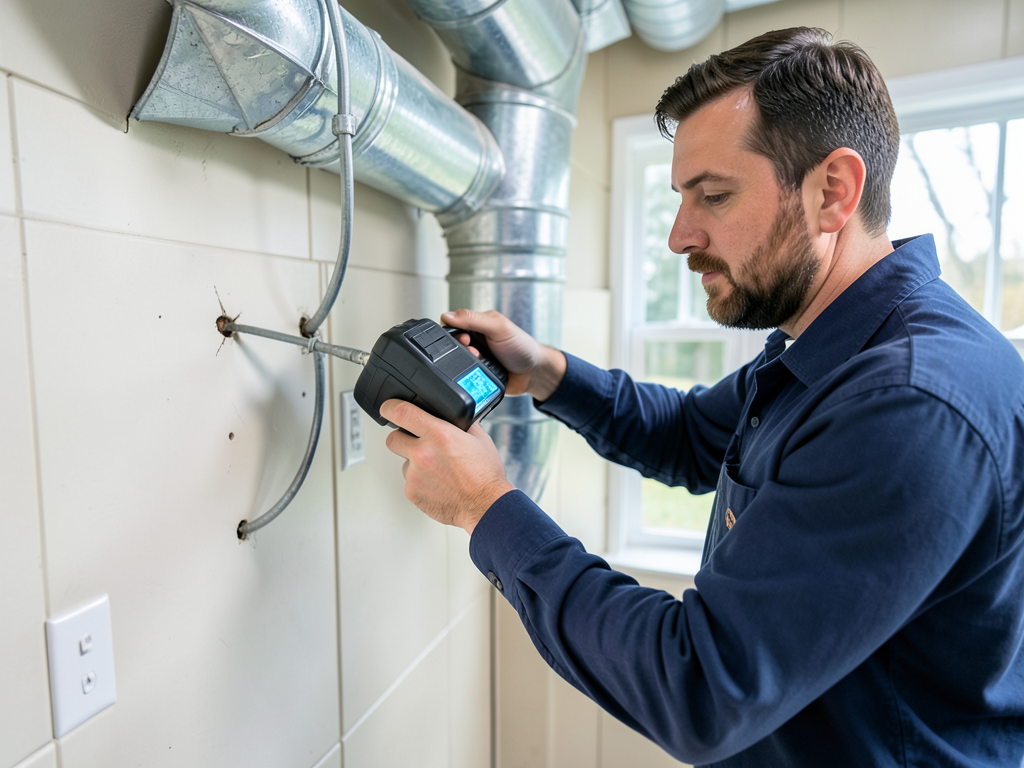
Why squirrels and chipmunks love to nest in Milford HVAC systems (And how to stop them) Squirrels and chipmunks in Milford often target HVAC systems because they offer warmth, shelter, and easy access to nesting…
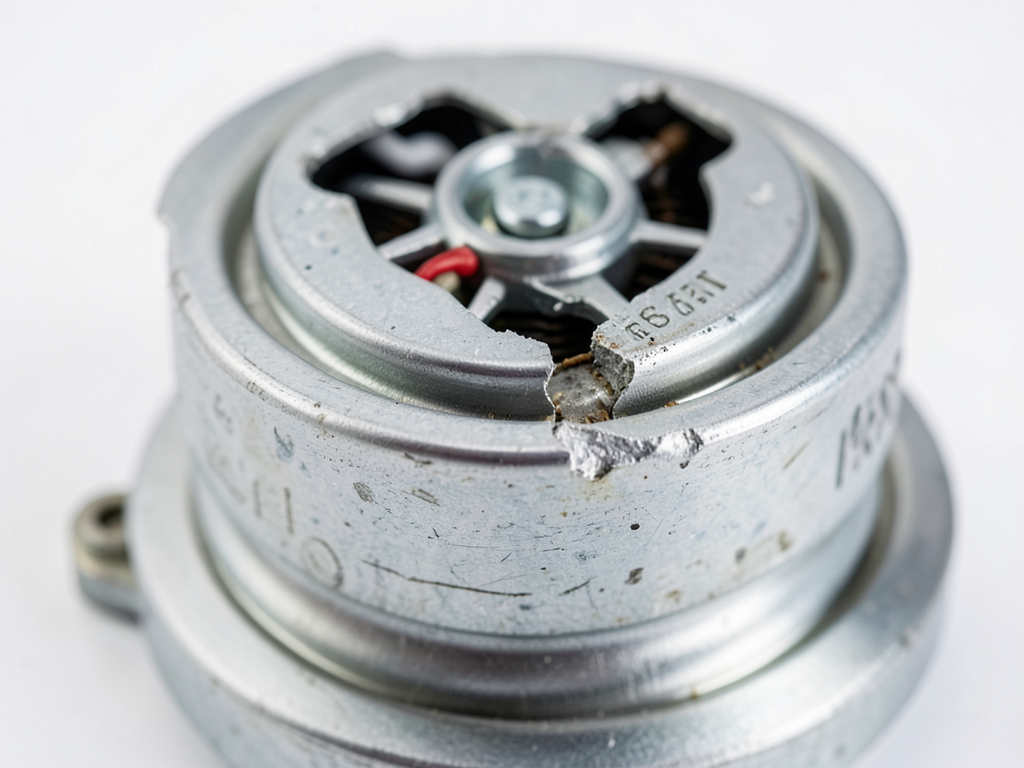
How to tell if a bad capacitor is the reason your Hyde Park AC won't…
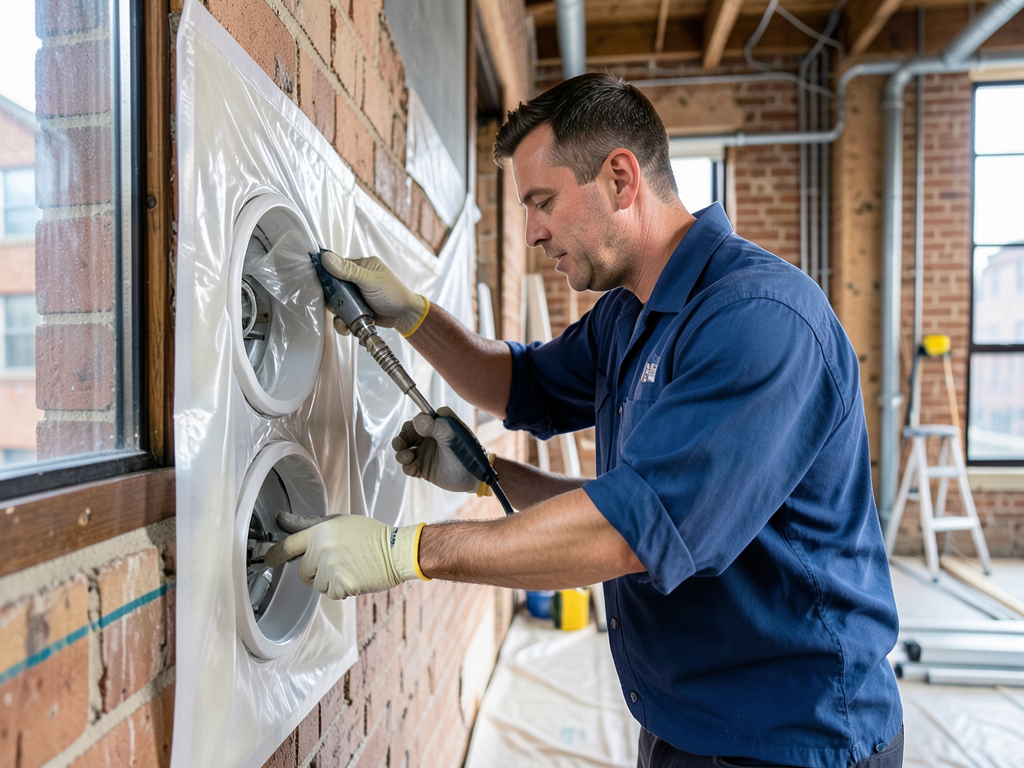
Protecting Your Downtown Loft from Construction Dust Construction dust is more than just a nuisance…
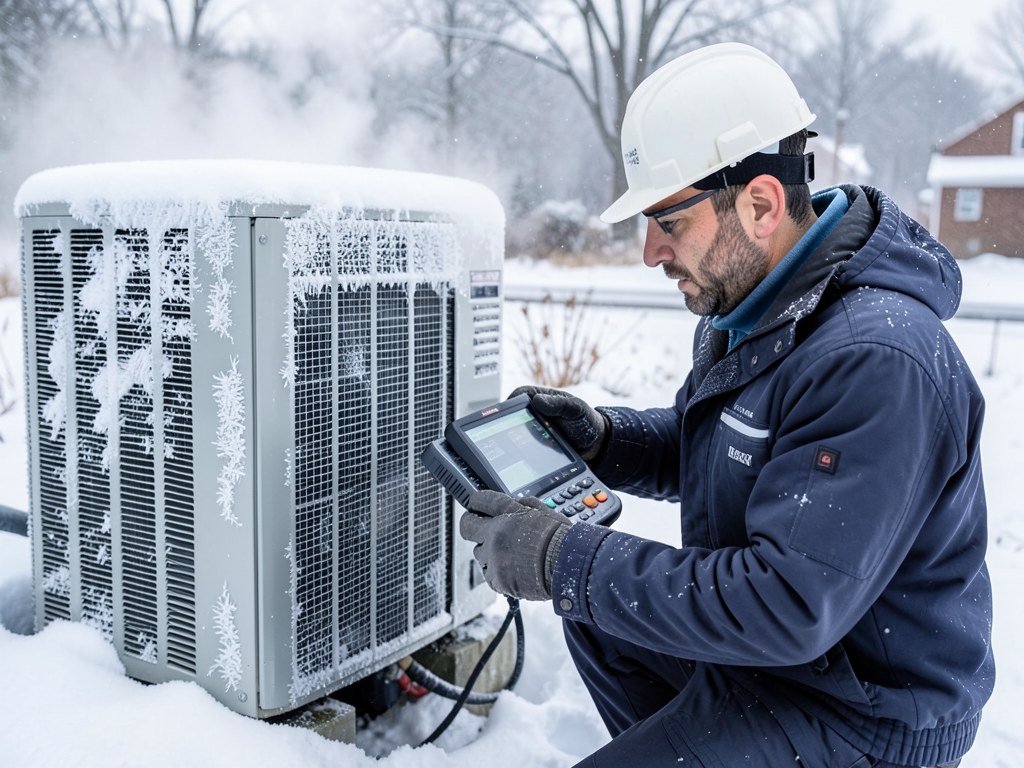
Preparing your Sharonville HVAC system for a sudden Ohio Valley flash freeze Ohio Valley winters…
Your comfort can't wait. Call Five Star HVAC Cincinnati now at (513) 717-5155 for rapid response to any heating or cooling emergency. We'll dispatch a technician to your Norwood home immediately and restore your system fast.