


Springdale sits in the humid continental zone where summers push heat indexes into the 90s and winters drop below freezing for weeks. Your HVAC system runs hard in both directions. The Ohio River Valley humidity makes July and August brutal on air conditioning compressors and evaporator coils. Winter freeze-thaw cycles stress furnace heat exchangers and cause condensate line failures.
Local homes in Heritage Hill and Northland neighborhoods were built across seven decades, meaning HVAC systems range from modern high-efficiency units to aging forced-air furnaces that struggle with Ohio's temperature swings. Springdale's proximity to I-275 means homes near the highway collect more dust and debris, clogging filters faster and reducing system efficiency. Spring storms roll through the Little Miami River valley, causing power surges that damage circuit boards and capacitors. Your system faces real stress year-round, and when it fails, you feel it immediately.
Five Star HVAC Cincinnati has served Hamilton County for years, building a reputation on fast response and honest diagnostics. We don't upsell replacements when repairs will work. We don't disappear after the check clears. When you call our Springdale service line, you reach a local dispatcher who knows the area and can get a technician to your door quickly.
Our trucks stock common parts for the furnace and AC brands installed throughout Springdale homes. That means we fix most problems on the first visit without waiting days for parts orders. We've worked on the split-system air conditioners common in Glendale Park, the package units in newer Heritage Hill construction, and the aging furnaces in homes near Kemper Road. We know what fails in Ohio's climate because we see it every day.
We train our technicians on current EPA refrigerant regulations, Ohio building codes, and manufacturer specifications. You get a technician who diagnoses the actual problem instead of guessing. We explain what broke, why it broke, and what it takes to fix it. No confusion. No pressure. Just clear answers and fair pricing. When the repair is done, we test the system to confirm it's running at proper capacity and efficiency. You get comfort back, and you get it done right.

We dispatch technicians quickly across Springdale because we understand HVAC failures create genuine discomfort and risk. Summer heat exhaustion and winter frozen pipes are real threats. Our service area coverage and stocked trucks mean faster repairs when you need them most.

We diagnose the actual problem before recommending solutions. If your system needs a $200 capacitor, we don't pitch a $6,000 replacement. If it genuinely needs replacement, we explain why with data and show you the failed components. You make informed decisions.
Our technicians carry inventory for common Springdale HVAC failures like blower motors, contactors, thermostats, and ignitors. We fix most issues the same day without parts delays. You get your comfort back faster, and we don't waste your time with multiple visits.
We know Springdale's housing stock, common HVAC configurations, and seasonal failure patterns. We've serviced systems throughout Heritage Hill, Glendale Park, and neighborhoods near Northland Boulevard. Local knowledge means faster diagnosis and fewer surprises during repairs.
Five Star HVAC Cincinnati handles every heating and cooling need in Springdale homes. We repair broken systems, maintain working ones, and install new equipment when replacement makes sense. Our service range covers emergency failures, planned maintenance, and full system replacements.
Air conditioning service includes compressor repairs, refrigerant leak detection, evaporator coil replacement, and condenser fan repairs. Heating service covers furnace ignitor replacement, heat exchanger inspection, blower motor repair, and thermostat troubleshooting. We service gas furnaces, electric heat pumps, central air systems, and ductless mini-splits. Whether your system is brand new or twenty years old, we have the diagnostic tools and technical knowledge to fix it. Our three main service categories address emergency breakdowns, routine maintenance, and system upgrades.
When your air conditioner quits during a July heat wave or your furnace dies on a January night, you need help immediately. We respond to emergency calls throughout Springdale with diagnostic equipment and repair parts ready. Our technicians identify the failure point, explain the problem clearly, and perform the repair to restore your comfort. Most emergency repairs are completed the same day because our trucks stock common failure parts like capacitors, contactors, and blower motors.
Regular HVAC maintenance catches problems before they cause system failures. We inspect heat exchangers for cracks, test capacitors for weakening, clean evaporator coils, check refrigerant levels, and measure airflow across the system. Spring AC tune-ups and fall furnace inspections keep your system running efficiently and reduce the chance of mid-season breakdowns. Maintenance extends equipment life and cuts energy costs by keeping your system operating at designed efficiency levels.
Some systems are too old or too damaged to justify repair costs. When your furnace or air conditioner reaches end of life, we provide honest replacement recommendations based on your home's size, ductwork condition, and efficiency goals. We install high-efficiency systems sized correctly for Springdale's climate demands. Installation includes proper refrigerant charging, ductwork sealing, and airflow balancing to ensure your new system delivers the comfort and efficiency you paid for.
Springdale's climate and housing characteristics create predictable HVAC stress points. High summer humidity overworks air conditioning systems, causing compressor failures and refrigerant leaks. Winter temperature swings stress furnace heat exchangers and ignition systems. Homes near I-275 and Kemper Road collect more airborne debris, leading to clogged filters and reduced airflow. Older homes in Heritage Hill often have undersized ductwork that forces systems to work harder. Power surges during spring storms damage control boards and capacitors.
These problems show up as specific symptoms. Your AC might blow warm air, freeze up, or refuse to start. Your furnace might cycle on and off repeatedly, blow cold air, or produce strange odors. Understanding what causes these failures helps you recognize problems early and call for service before minor issues become expensive emergencies.
Refrigerant leaks reduce cooling capacity and cause compressors to overheat. You'll notice warm air from vents, ice buildup on refrigerant lines, or hissing sounds near the outdoor unit. Leaks happen at connection points, coil seams, and service valves. We locate leaks with electronic detectors, repair the source, and recharge the system to manufacturer specifications.
Hot surface ignitors crack after years of thermal cycling. When they fail, your furnace won't light. You'll hear the blower run but get no heat. This is one of the most common winter failures in Springdale homes. Ignitor replacement is straightforward and restores heat quickly. We carry ignitors for all major furnace brands.
Blower motors fail from worn bearings, capacitor problems, or electrical issues. Symptoms include weak airflow, strange noises, or no air movement at all. Blower failures affect both heating and cooling. When the blower quits, your system can't distribute conditioned air. We diagnose motor failures and replace motors the same day in most cases.
Faulty thermostats cause incorrect temperature readings, short cycling, or complete system shutdown. Wiring problems, dead batteries, or sensor failures create these issues. Sometimes the fix is simple calibration or battery replacement. Other times the thermostat needs replacement. We test thermostat operation and wiring to determine the actual problem before recommending solutions.
When your HVAC system fails, you need clarity about what happens next. We've built our service process around fast response, transparent communication, and reliable repairs. From your first phone call to final system testing, you'll know what's happening and why.
Our dispatchers schedule service windows that respect your time. Our technicians call when they're en route so you're not waiting around wondering when help will arrive. When the technician arrives, they listen to your description of the problem, inspect the system thoroughly, and explain what they find in plain language. You get honest recommendations based on the actual problem, not sales quotas. Here's what you can count on at every service call.
When you call our Springdale service line, you speak with a dispatcher who gathers information about your HVAC problem and schedules a service window. We don't make you wait days for an appointment. Emergency calls get prioritized. The dispatcher explains our diagnostic process and service call costs upfront. Our technician calls 30 minutes before arrival so you know exactly when to expect help.
Our technicians use diagnostic tools to identify the actual failure point. We test electrical connections, measure refrigerant pressures, inspect heat exchangers, and check airflow. We don't guess. Once we've identified the problem, we explain what failed, why it failed, and what's required to fix it. You get repair options with clear pricing before any work begins. No surprise charges after the fact.
After completing repairs, we test your system to confirm it's operating correctly. We measure temperature output, check airflow, verify thermostat response, and ensure safety controls work properly. We don't leave until your system is delivering the heating or cooling performance you need. You get a clear explanation of what was repaired and any maintenance recommendations to prevent future problems.
HVAC repair shouldn't be complicated or stressful. We've structured our service process to be simple and predictable. Three clear steps get your system fixed and your comfort restored.
Call our Springdale service line at (513) 717-5155 to describe your HVAC problem. We schedule a service window that fits your availability. Our technician arrives with diagnostic equipment, inspects your system thoroughly, and identifies the failure. We explain what's wrong in clear terms and provide repair options with upfront pricing. You decide how to proceed with full information.
Once you approve the repair, our technician performs the work using quality parts and proper techniques. We carry common replacement parts on our trucks for faster service. Most repairs are completed the same day. We follow manufacturer specifications and Ohio building codes. The repair is done right the first time, and we clean up our work area when finished.
After repairs are complete, we test your system under actual operating conditions. We measure output temperatures, check airflow levels, and verify all controls respond correctly. We explain what we repaired, answer your questions, and provide maintenance tips to keep your system running well. You get your comfort back with confidence the problem is actually solved.
Professional HVAC service requires adherence to specific technical standards and regulations. In Ohio, we follow state building codes, EPA refrigerant handling regulations, and manufacturer installation specifications. The Ohio Board of Building Standards sets minimum requirements for furnace installation, ductwork sizing, and combustion air supply. These standards protect your safety and ensure system performance.
Refrigerant work must comply with EPA Section 608 regulations. Only certified technicians can purchase, handle, and charge refrigerant systems. We use recovery equipment to capture old refrigerant before repairs and charge systems to manufacturer specifications using calibrated gauges and temperature measurements. Incorrect refrigerant levels reduce efficiency and damage compressors.
Furnace service requires attention to heat exchanger integrity and combustion safety. Cracked heat exchangers leak carbon monoxide into living spaces. We inspect heat exchangers with mirrors and cameras to detect cracks before they become dangerous. Gas furnaces must maintain proper gas pressure and flame characteristics for safe operation. We measure inlet gas pressure, manifold pressure, and temperature rise to verify proper combustion.
Electrical components must meet National Electrical Code standards. We test capacitors under load, measure voltage and amperage at motors and compressors, and verify proper wire sizing for electrical draws. Undersized wiring causes voltage drops that damage motors. Proper electrical installation prevents fires and equipment failures. Air conditioning systems sized for Springdale's climate typically require 2.5 to 3 tons of cooling capacity per 1,000 square feet, adjusted for insulation levels, window area, and sun exposure.
Federal law requires technicians to hold EPA Section 608 certification for refrigerant handling. This certification demonstrates knowledge of refrigerant properties, recovery procedures, and environmental regulations. Uncertified refrigerant work is illegal and often done incorrectly, leading to system damage and refrigerant leaks that harm the environment.
Repair costs should be weighed against system age and remaining lifespan. A general guideline suggests replacement when repair costs exceed half the price of a new system and the unit is past 75% of expected life. Furnaces typically last 15-20 years. Air conditioners last 12-15 years in Ohio's climate. Multiple repairs in short periods often signal approaching end of life.
HVAC systems must be sized correctly for your home's square footage, insulation, and layout. Undersized systems run constantly and never reach comfort levels. Oversized systems short cycle, causing humidity problems and uneven temperatures. We perform Manual J load calculations to determine proper equipment size for replacement installations, ensuring efficient operation and consistent comfort.
Ohio residential building codes specify requirements for furnace venting, combustion air supply, and gas line sizing. New installations require permits and inspections to verify code compliance. Proper venting prevents carbon monoxide accumulation. Adequate combustion air ensures complete fuel burning. Code compliance protects your safety and prevents insurance issues if problems develop.
This video explains common HVAC system failures in Springdale, Ohio homes and the repair process for each problem. Topics include air conditioning refrigerant leaks, furnace ignitor failures, blower motor issues, and thermostat malfunctions. The presentation covers failure symptoms, root causes, and professional repair procedures. Viewers learn what to expect during HVAC service calls and how technicians diagnose heating and cooling problems in Hamilton County's climate conditions.
Five Star HVAC Cincinnati provides heating and cooling service throughout Springdale and neighboring Hamilton County communities. We serve homes in Heritage Hill, where mature trees and established neighborhoods feature a mix of ranch homes and two-story colonials built from the 1960s through the 1990s. These homes typically have split-system air conditioning and forced-air gas furnaces that face common age-related failures.
The Glendale Park area near Springdale Elementary features newer construction with modern HVAC systems, but these homes still experience capacitor failures, thermostat issues, and refrigerant leaks common to Ohio's humid climate. Neighborhoods along Northland Boulevard and near Kemper Road tend to have higher HVAC service demands due to proximity to major roadways where dust and debris accelerate filter clogging and reduce system efficiency.
We regularly service homes near the Springdale Community Center and throughout the residential areas extending toward I-275. Each neighborhood has distinct characteristics that affect HVAC performance. Homes near the Little Miami River valley experience higher humidity levels that stress air conditioning systems during summer months. Areas with mature tree cover tend to have more outdoor unit blockage from leaves and seed debris, requiring more frequent coil cleaning.
Our service area extends to Sharonville, Forest Park, and Evendale, giving us deep familiarity with Hamilton County's housing stock and HVAC challenges. We understand how local construction practices, lot orientations, and landscaping patterns affect heating and cooling demands. Homes on heavily wooded lots often have undersized outdoor units that struggle with restricted airflow. Homes on open lots face more direct sun exposure, increasing cooling loads during afternoon hours. This local knowledge helps us diagnose problems faster and recommend solutions that work specifically for Springdale area homes.
The $5000 rule is a simple guideline for deciding whether to repair or replace your system. Multiply the age of your unit by the repair cost. If the result exceeds $5000, replacement usually makes better financial sense. For example, a 12-year-old system needing a $500 repair equals $6000, suggesting replacement. In Springdale, where humidity and seasonal temperature swings stress older equipment, this rule helps you avoid throwing money at a failing system. Consider efficiency gains too. Modern units can cut energy bills by 20 to 40 percent compared to older models.
The average HVAC job in Springdale varies widely based on scope. A standard furnace or air conditioner replacement for a typical home typically falls in the mid-range bracket, while full system overhauls or ductwork modifications run higher. Installation complexity, existing infrastructure, and equipment efficiency ratings all impact final costs. Springdale homes with older ductwork or tight crawl spaces may require additional labor. Seasonal demand also plays a role. Summer and winter peak seasons can affect pricing and scheduling. Get multiple quotes from licensed local contractors to understand what your specific home requires.
Replacing HVAC for a 2000 square foot house in Springdale depends on system type, efficiency rating, and existing infrastructure. A standard split system with a gas furnace and central air typically represents the baseline, while higher-efficiency units or heat pumps adjust the range. Homes with good ductwork and straightforward layouts cost less than those requiring duct modifications or complex zoning. Springdale's humidity levels make proper sizing critical. Oversized equipment short-cycles and fails to dehumidify. Undersized systems run constantly. A load calculation ensures you get the right capacity for your home's specific needs.
The $5000 rule is a simple guideline for deciding whether to repair or replace your system. Multiply the age of your unit by the repair cost. If the result exceeds $5000, replacement usually makes better financial sense. For example, a 12-year-old system needing a $500 repair equals $6000, suggesting replacement. In Springdale, where humidity and seasonal temperature swings stress older equipment, this rule helps you avoid throwing money at a failing system. Consider efficiency gains too. Modern units can cut energy bills by 20 to 40 percent compared to older models.
The average HVAC job in Springdale varies widely based on scope. A standard furnace or air conditioner replacement for a typical home typically falls in the mid-range bracket, while full system overhauls or ductwork modifications run higher. Installation complexity, existing infrastructure, and equipment efficiency ratings all impact final costs. Springdale homes with older ductwork or tight crawl spaces may require additional labor. Seasonal demand also plays a role. Summer and winter peak seasons can affect pricing and scheduling. Get multiple quotes from licensed local contractors to understand what your specific home requires.
Replacing HVAC for a 2000 square foot house in Springdale depends on system type, efficiency rating, and existing infrastructure. A standard split system with a gas furnace and central air typically represents the baseline, while higher-efficiency units or heat pumps adjust the range. Homes with good ductwork and straightforward layouts cost less than those requiring duct modifications or complex zoning. Springdale's humidity levels make proper sizing critical. Oversized equipment short-cycles and fails to dehumidify. Undersized systems run constantly. A load calculation ensures you get the right capacity for your home's specific needs.
A 3000 square foot house in Springdale requires a larger capacity system than average, which affects pricing. Most homes this size need multi-zone systems or a high-capacity single unit to maintain comfort. Two-story layouts, vaulted ceilings, and window placement all influence load calculations. Springdale's variable climate demands equipment that handles both humid summers and cold winters efficiently. Older homes may need ductwork upgrades to support proper airflow. Factor in installation complexity, equipment tier, and efficiency ratings. A detailed load calculation from a qualified contractor prevents oversizing mistakes that waste energy and shorten equipment life.
A 3000 square foot house in Springdale requires a larger capacity system than average, which affects pricing. Most homes this size need multi-zone systems or a high-capacity single unit to maintain comfort. Two-story layouts, vaulted ceilings, and window placement all influence load calculations. Springdale's variable climate demands equipment that handles both humid summers and cold winters efficiently. Older homes may need ductwork upgrades to support proper airflow. Factor in installation complexity, equipment tier, and efficiency ratings. A detailed load calculation from a qualified contractor prevents oversizing mistakes that waste energy and shorten equipment life.
Five Star HVAC proudly serves all homes and businesses in the greater Cincinnati area. Our skilled team is ready to respond to your service requests, whether you're in the city center or the surrounding suburbs. Use the map to explore our service area and see how close we are to you. We're committed to providing prompt and dependable service, no matter where you are within our coverage zone.
Address:
Springdale, OH, 45246
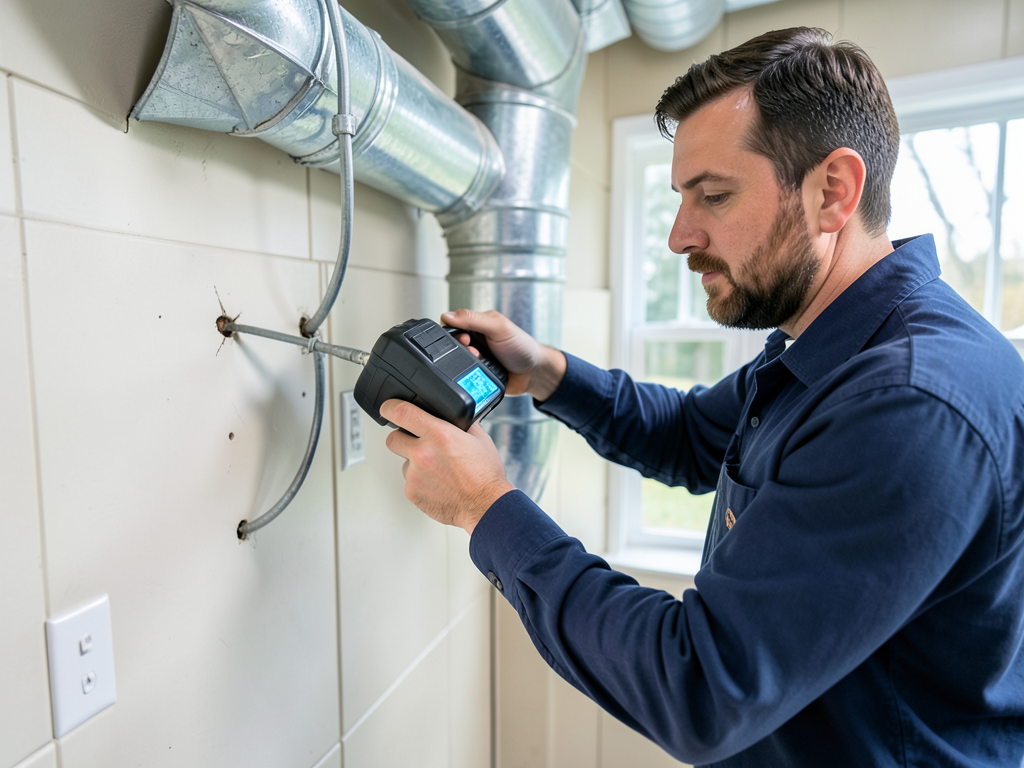
Why squirrels and chipmunks love to nest in Milford HVAC systems (And how to stop them) Squirrels and chipmunks in Milford often target HVAC systems because they offer warmth, shelter, and easy access to nesting…
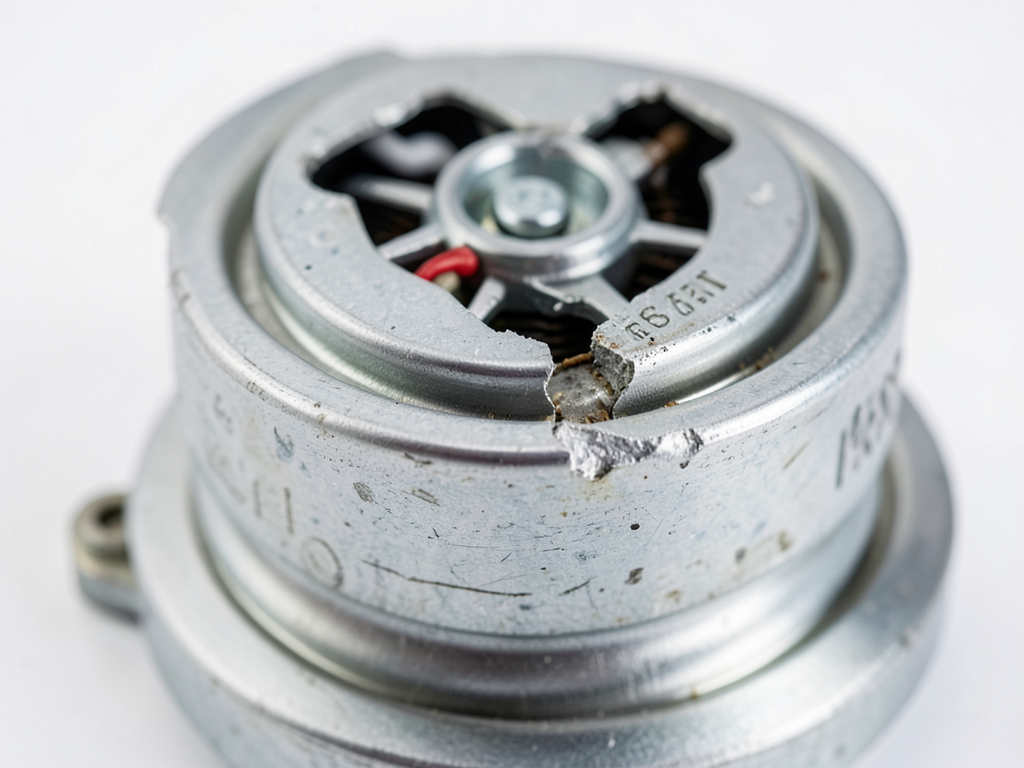
How to tell if a bad capacitor is the reason your Hyde Park AC won't…
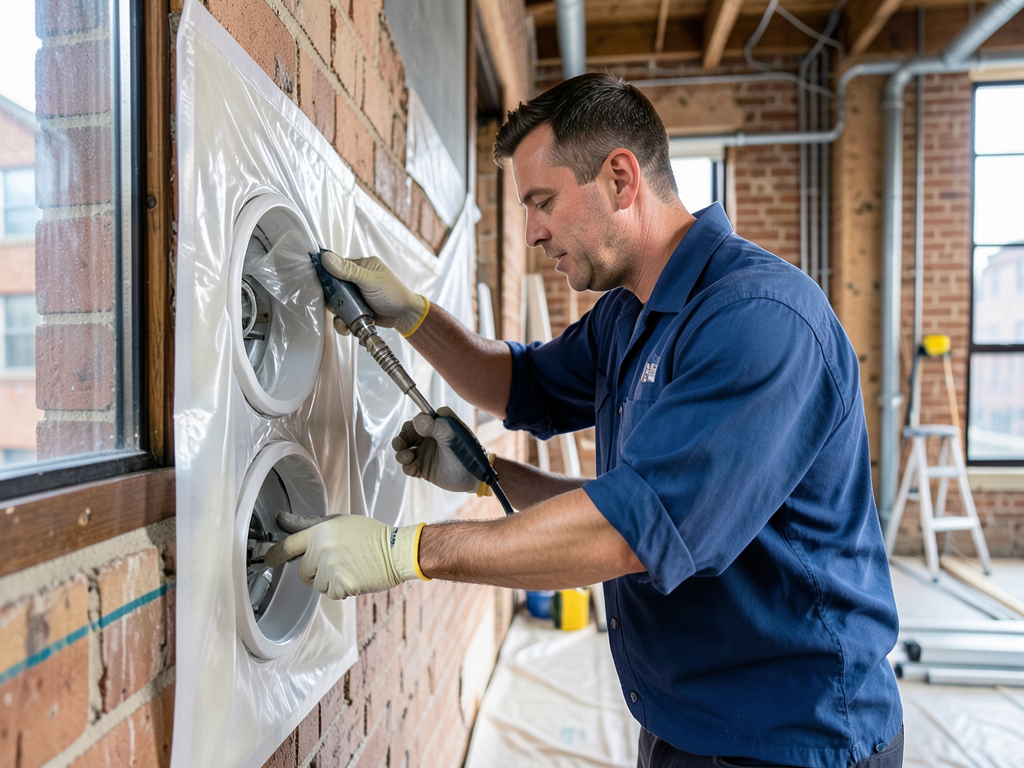
Protecting Your Downtown Loft from Construction Dust Construction dust is more than just a nuisance…
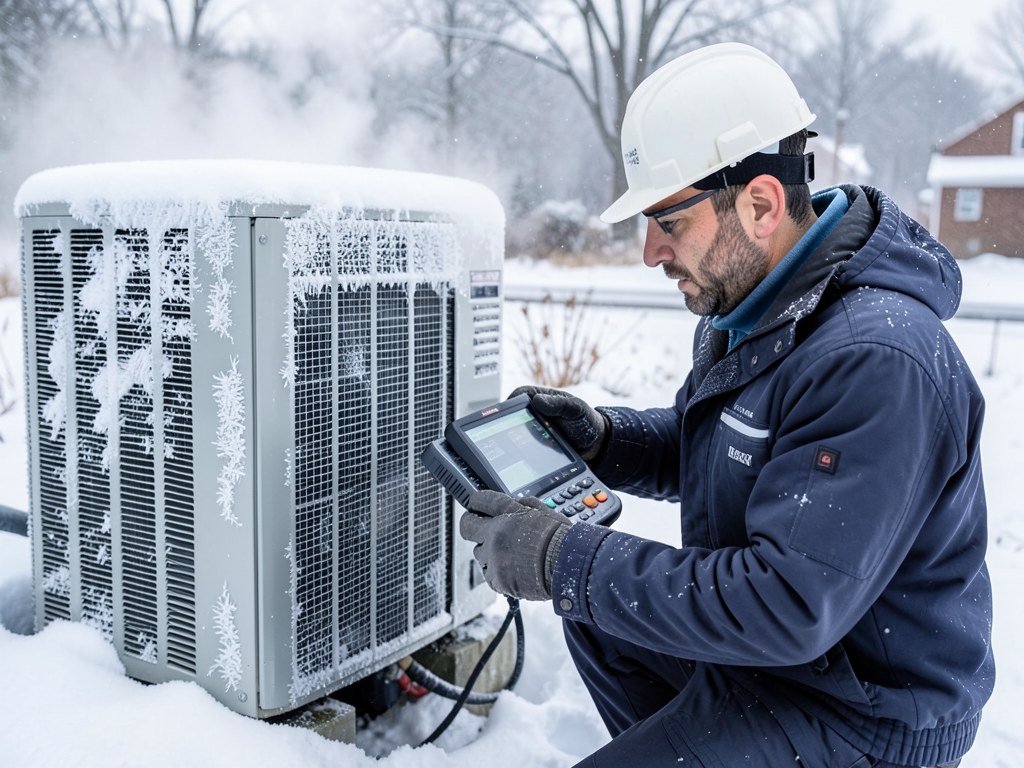
Preparing your Sharonville HVAC system for a sudden Ohio Valley flash freeze Ohio Valley winters…
Your comfort matters. When your heating or cooling system fails, call Five Star HVAC Cincinnati at (513) 717-5155 for fast service in Springdale. We'll diagnose the problem, explain your options, and restore your comfort quickly.