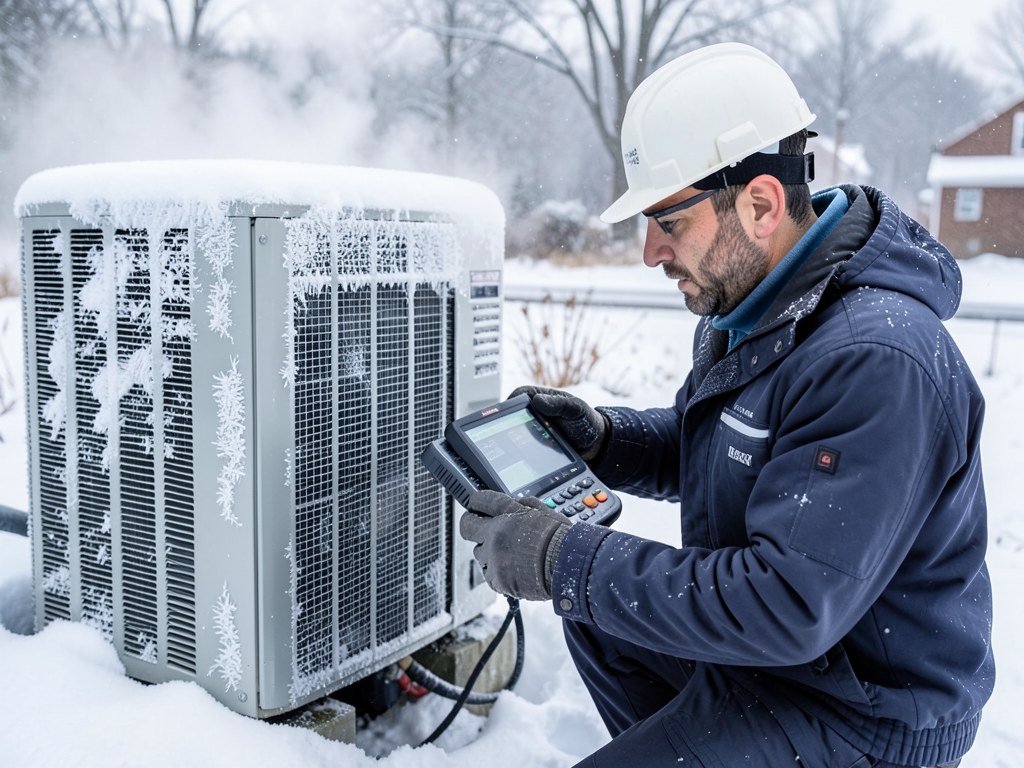
Cincinnati experiences relative humidity levels above 70 percent from May through September, which increases condensate loads on evaporator coils and accelerates ice buildup in walk-in freezers. The temperature fluctuations between winter lows near 20 degrees and summer highs above 90 degrees stress refrigerant systems designed for narrower operating ranges. Compressors cycle more frequently during these swings, and condenser fans work harder to reject heat when ambient temperatures exceed 85 degrees. Commercial refrigeration contractors who do not account for these local conditions install undersized equipment that fails during peak demand periods. Our commercial refrigeration installation process includes load calculations specific to Cincinnati's climate, ensuring your system handles seasonal extremes without constant service calls.
Working in Cincinnati means understanding Ohio Mechanical Code requirements and coordinating with Hamilton County Health Department inspectors for food service operations. We have built relationships with local building officials and health inspectors, which streamlines permitting and inspection processes for commercial refrigeration installation projects. Our technicians know the specific code requirements for refrigerant line installations, electrical disconnects, and ventilation clearances in Cincinnati's older commercial buildings. That local expertise reduces project delays and ensures your installation passes inspection the first time. You are not working with a national chain that treats Cincinnati like every other market. You are working with commercial refrigeration companies who understand the specific challenges of operating in this region.