Menu

Short Cycling in Cincinnati – Expert HVAC Diagnosis and Permanent Repair Solutions

When your HVAC system kicks on and off repeatedly, you need precise diagnostics to identify the root cause. Our Cincinnati technicians use advanced tools to stop short cycling and restore proper system operation.

Slider Image 1
Slider Image 2
Slider Image 3
Slider Image 4
Slider Image 5
Slider Image 7
Slider Image 8
Slider Image 9
Slider Image 10
Slider Image 11

Why Your Cincinnati HVAC System Is Rapidly Cycling

Your air conditioner or furnace turns on for 30 seconds, shuts off, then kicks back on. This pattern repeats endlessly. You notice higher energy bills, uneven temperatures, and the constant clicking of your system cycling.

This is short cycling, and it ruins HVAC equipment fast.

Cincinnati's humidity creates unique challenges for air conditioning systems. When humidity sits at 70 percent during July and August, oversized AC units cool the air too quickly without removing moisture. The thermostat reads the target temperature, shuts the system down, then the sticky air makes the space feel warm again. The cycle starts over.

Furnace short cycling happens differently but causes the same wear. When the heat exchanger overheats due to restricted airflow, the limit switch kills power to prevent cracking. The furnace cools down, tries to restart, and trips the safety again.

AC turning on and off repeatedly also happens when refrigerant levels drop. Low refrigerant pressure triggers the compressor to cycle rapidly as it struggles to maintain system pressure. This is common in older homes around Oakley and Hyde Park, where original refrigerant lines corrode from decades of use.

Your system kicks on and off because something is wrong. Dirty coils, failed thermostats, undersized ductwork, bad capacitors, frozen evaporator coils, or incorrect system sizing all create HVAC rapid cycling.

The problem will not fix itself. Every cycle adds stress to your compressor and blower motor. These are the most expensive components in your system. Short cycling cuts equipment life in half.

Why Your Cincinnati HVAC System Is Rapidly Cycling
How We Diagnose and Stop Air Conditioner Short Cycle Issues

How We Diagnose and Stop Air Conditioner Short Cycle Issues

We do not guess. Rapid cycling has multiple causes, and the wrong fix wastes your money.

Our diagnostic process starts with runtime analysis. We measure how long your system runs before shutting down. A healthy cycle runs 10 to 15 minutes. Anything under five minutes signals a problem.

We check thermostat differential settings. Your thermostat has a temperature swing setting that determines when the system turns on and off. If this differential is too tight (less than one degree), the system cycles constantly trying to maintain an impossible temperature stability.

We measure airflow across the evaporator coil using a digital manometer. Restricted airflow from dirty filters, blocked returns, or undersized ducts causes the evaporator to freeze. Ice forms, blocks airflow further, and creates a cycle where the system runs briefly, freezes, thaws, and repeats.

Refrigerant pressure testing reveals leaks. We use electronic leak detectors and pressure gauges to measure suction and discharge pressures. Low refrigerant creates short cycling because the compressor cannot maintain the pressure differential needed for proper operation.

Capacitor testing identifies electrical failures. Your compressor and blower motor need capacitors to start and run. When capacitors weaken, they cannot deliver the voltage spike needed for startup. The motor tries to start, fails, cools down, and tries again.

We inspect the condensing unit for debris, bent fins, and coil buildup. A dirty condenser cannot reject heat. High head pressure triggers safety switches that shut the system down before damage occurs.

For furnaces, we check the flame sensor, limit switch, and heat exchanger for cracks. We measure static pressure in the ductwork to identify airflow restrictions that cause overheating.

The Three-Phase Process to Fix System Rapid Cycling

Short Cycling in Cincinnati – Expert HVAC Diagnosis and Permanent Repair Solutions
01

Complete System Analysis

We arrive with diagnostic tools and run your system through multiple cycles while monitoring temperatures, pressures, and electrical draws. This tells us whether the problem is mechanical, electrical, or related to system design. We check every component that affects cycle timing, including the thermostat, safety switches, and refrigerant levels. You get a clear explanation of what is failing and why.
02

Targeted Component Repair

Once we identify the cause, we fix it correctly. If your evaporator coil is frozen, we thaw it, clean it, and address the airflow restriction. If refrigerant is low, we find the leak, repair it, evacuate the system, and recharge to manufacturer specifications. Failed capacitors get replaced with exact-match components. We do not apply temporary fixes that fail in three months.
03

Cycle Verification Testing

After repairs, we run your system through multiple heating or cooling cycles to confirm normal operation. We measure cycle length, temperature drop across the coil, and amp draw to verify everything operates within specification. You see your system run for 12 to 15 minutes, shut down cleanly, and stay off until the thermostat calls for conditioning again. We document baseline performance for future service calls.

Why Cincinnati Property Owners Choose Our Short Cycling Expertise

Short cycling diagnosis requires experience with Cincinnati's specific HVAC challenges. We understand how humidity affects system operation in neighborhoods from Columbia-Tusculum to Westwood.

Many HVAC companies replace parts without diagnosing the actual problem. You pay for a new capacitor when the real issue is a frozen coil. The cycling continues, and you call someone else.

We have worked on every HVAC system common to Cincinnati homes. That includes older homes in Mount Adams with undersized ductwork, post-war builds in Northside with original furnaces, and newer construction in Anderson Township with complex zoning systems.

Our technicians carry the diagnostic tools needed to measure the variables that cause short cycling. This includes digital manifold gauges, clamp ammeters, manometers for static pressure testing, and thermal imaging cameras for identifying airflow problems. Most service trucks do not carry this equipment.

We understand local building codes and the mechanical requirements for Cincinnati's climate zone. When we recommend system modifications, we follow Ohio Mechanical Code requirements for ductwork sizing, ventilation, and combustion air.

Short cycling destroys compressors. A new compressor costs thousands. Our diagnostic approach saves you money by identifying problems before catastrophic failure.

We also recognize when short cycling is a symptom of improper system sizing. If your AC was oversized during installation, it will short cycle forever. We provide honest assessments about whether repair or replacement makes financial sense. Some problems cannot be fixed without addressing the underlying design flaw.

Five Star HVAC Cincinnati has the experience to diagnose complex cycling issues that other companies miss. We focus on permanent solutions, not quick fixes that fail next season.

What to Expect When We Address Your HVAC Cycling Problem

Fast Response for Diagnostic Service

We schedule diagnostic appointments quickly because short cycling damages your equipment with every cycle. Most appointments happen within 24 to 48 hours. Our technicians arrive on time with the tools needed to complete testing in one visit. You do not wait days for answers. We provide same-day diagnostics and explain exactly what is wrong before we start repairs. If your system is cycling so rapidly that it cannot maintain temperature, we prioritize your service call.

Comprehensive System Testing and Analysis

Our diagnostic service measures every variable that affects cycle timing. We test thermostat operation, electrical components, refrigerant pressures, airflow rates, and safety switch function. You receive a written report showing exactly what we measured and how those readings compare to manufacturer specifications. We explain the findings in clear terms so you understand what failed and why. This eliminates guesswork and prevents unnecessary part replacement. Our goal is accurate diagnosis, not selling you components you do not need.

Reliable Repairs That Stop the Cycling

When we complete repairs, your system runs in normal cycles. You will notice longer run times, better temperature control, and quieter operation. We test the system under load to confirm the repair solved the problem. If we replace a capacitor, we verify proper amp draw. If we repair a refrigerant leak, we confirm stable pressures. You see the system operate correctly before we leave. Our repairs address the root cause, which means you will not experience the same failure next month.

Ongoing Support and Maintenance Guidance

After we fix your short cycling issue, we provide maintenance recommendations to prevent future problems. This includes filter change schedules, coil cleaning intervals, and signs of developing issues. We keep service records so future technicians understand your system history. If the repair involved refrigerant work, we document the charge amount and leak location. If the problem was airflow-related, we note static pressure readings for future comparison. You get practical advice about maintaining your system, not a sales pitch for unnecessary service contracts.

Frequently Asked Questions

You Have Questions,
We Have Answers

What is the most common cause of short cycling? +

The most common cause of short cycling is a dirty or clogged air filter. When airflow is restricted, your system overheats and shuts down prematurely to protect itself. In Cincinnati, high humidity and seasonal allergens accelerate filter buildup, making this issue especially common during spring and summer. Other frequent culprits include refrigerant leaks, oversized equipment, faulty thermostats, or frozen evaporator coils. The freeze-thaw cycles we experience here can also stress HVAC components, leading to pressure imbalances that trigger short cycling. A professional diagnostic is essential to identify the root cause and prevent compressor damage.

How do you fix short cycling? +

Fixing short cycling starts with changing your air filter. If that does not resolve the issue, check your thermostat placement. It should not be near heat sources or in direct sunlight. Next, inspect your outdoor unit for debris and clear at least two feet around it. In Cincinnati homes, landscaping often blocks airflow around condensers. If the problem persists, you need a licensed technician to check refrigerant levels, test capacitors, clean coils, or verify system sizing. An oversized unit is a common issue in older Cincinnati neighborhoods where HVAC systems were replaced without proper load calculations.

How many minutes is considered short cycling? +

Short cycling occurs when your AC runs for less than seven to ten minutes before shutting off. A healthy cooling cycle should last fifteen to twenty minutes to properly dehumidify your home and reach the thermostat setpoint. In Cincinnati's humid climate, short cycles are especially problematic because your system never runs long enough to remove moisture from the air. This leaves your home feeling clammy even when temperatures are cool. If your unit turns on and off every few minutes, you have a serious issue that needs immediate attention to prevent compressor failure.

Should I turn my AC off if it's short cycling? +

Yes, turn your AC off if it is short cycling and call a technician immediately. Continuing to run the system causes extreme wear on the compressor, which is the most expensive component to replace. Each rapid on-off cycle strains electrical components and can lead to complete system failure. In Cincinnati's summer heat, this feels counterintuitive, but running a short-cycling unit actually costs more in energy bills while delivering less cooling and comfort. Use fans to circulate air while you wait for repairs. Catching the problem early can save you thousands in replacement costs.

How to tell if AC is short cycling? +

You can tell your AC is short cycling by observing the outdoor compressor unit. If it turns on and off every few minutes instead of running for fifteen to twenty minutes, you have short cycling. Inside, you will notice your home never reaches the desired temperature, humidity levels stay high, and energy bills spike. Listen for the compressor clicking on and off repeatedly. Cincinnati homeowners often first notice short cycling when their homes feel muggy despite the AC running constantly. Check your thermostat display for rapid temperature swings or frequent system cycling between on and off modes.

What is the $5000 AC rule? +

The five thousand dollar AC rule is a guideline to help homeowners decide between repair and replacement. Multiply the age of your unit by the repair cost. If the result exceeds five thousand, replacement makes more financial sense. For example, a twelve-year-old system needing a five hundred dollar repair equals six thousand, suggesting replacement. In Cincinnati, where HVAC systems work overtime fighting humidity and temperature extremes, this rule helps you avoid throwing money at an aging unit that will likely fail again soon. Factor in efficiency gains from newer models when making your decision.

Can dirty coils cause short cycling? +

Yes, dirty coils are a frequent cause of short cycling. When evaporator or condenser coils accumulate dirt, dust, and pollen, heat transfer becomes inefficient. Your system overheats and shuts down prematurely to protect itself. In Cincinnati, cottonwood seeds, tree pollen, and high humidity create a perfect environment for coil buildup. Outdoor condenser coils facing prevailing winds often clog faster with organic debris. Dirty coils also reduce cooling capacity, forcing your system to work harder while delivering less comfort. Annual professional coil cleaning prevents this issue and extends equipment life significantly.

What does short cycling look like? +

Short cycling looks like your outdoor compressor unit turning on, running for just a few minutes, then shutting off completely. Within minutes, it restarts and repeats the cycle. You will hear frequent clicking sounds as the contactor engages and disengages. Inside, your thermostat may show the system cycling between cooling modes without reaching the setpoint. Cincinnati homeowners often notice the outdoor fan starting and stopping rapidly while indoor temperatures remain uncomfortable. You might also observe frost buildup on refrigerant lines or the evaporator coil if airflow restriction is causing the problem.

How to unclog an expansion valve in a car? +

This question relates to automotive AC systems, not residential HVAC. An expansion valve controls refrigerant flow in your car's AC system. If clogged, you need a certified automotive technician to recover the refrigerant, remove the valve, clean or replace it, then recharge the system. This requires specialized equipment and EPA certification. For residential HVAC issues in Cincinnati, the expansion valve or metering device rarely clogs but can fail mechanically. Residential systems use different components and refrigerants than automotive systems. Contact an HVAC professional for home cooling problems, not an auto mechanic.

What is the 75% rule in cycling? +

The seventy-five percent rule in cycling refers to athletic training, not HVAC systems. It suggests athletes should train at seventy-five percent of maximum effort for endurance building. This has no relevance to air conditioning or short cycling issues. If you are experiencing HVAC problems in Cincinnati, focus on proper system maintenance, correct sizing, and airflow. Your cooling system should run in complete cycles lasting fifteen to twenty minutes. If someone mentioned this rule regarding your AC, they likely confused terms or provided incorrect information. Consult a licensed HVAC technician for accurate diagnostics.

How Cincinnati's Summer Humidity Triggers AC Short Cycling

Cincinnati sits in a humid continental climate zone where summer dew points reach 70 degrees. This creates a challenging environment for air conditioning systems. When outdoor humidity is high, your AC must remove moisture and lower temperature simultaneously. Oversized systems cool the air quickly but shut down before completing the dehumidification cycle. The space feels cold but clammy, so the thermostat triggers another cooling cycle. This rapid cycling is common in homes built before modern Manual J load calculations became standard. Older homes in neighborhoods like East Walnut Hills and Clifton often have oversized replacement units that cycle rapidly during humid weather.

Our technicians understand how local climate affects HVAC performance because we work exclusively in the Cincinnati metro area. We know which system brands handle humidity well and which models struggle with Ohio's seasonal temperature swings. We follow Ohio Mechanical Code requirements for system sizing and installation practices. When we diagnose short cycling, we consider how Cincinnati's weather patterns stress your equipment. This local expertise helps us identify problems that technicians from national chains miss. You get service from people who understand your specific climate challenges, not generic troubleshooting from a corporate manual.
HVAC Services in The Cincinnati Area

Five Star HVAC proudly serves all homes and businesses in the greater Cincinnati area. Our skilled team is ready to respond to your service requests, whether you're in the city center or the surrounding suburbs. Use the map to explore our service area and see how close we are to you. We're committed to providing prompt and dependable service, no matter where you are within our coverage zone.

Address:
Five Star HVAC Cincinnati, 4024 Hamilton Ave, Cincinnati, OH, 45223

Additional Services We Offer

Our news updates

Latest Articles & News from The Blogs

How to tell if a bad capacitor is the reason your Hyde Park AC won't start Your Hyde Park home…

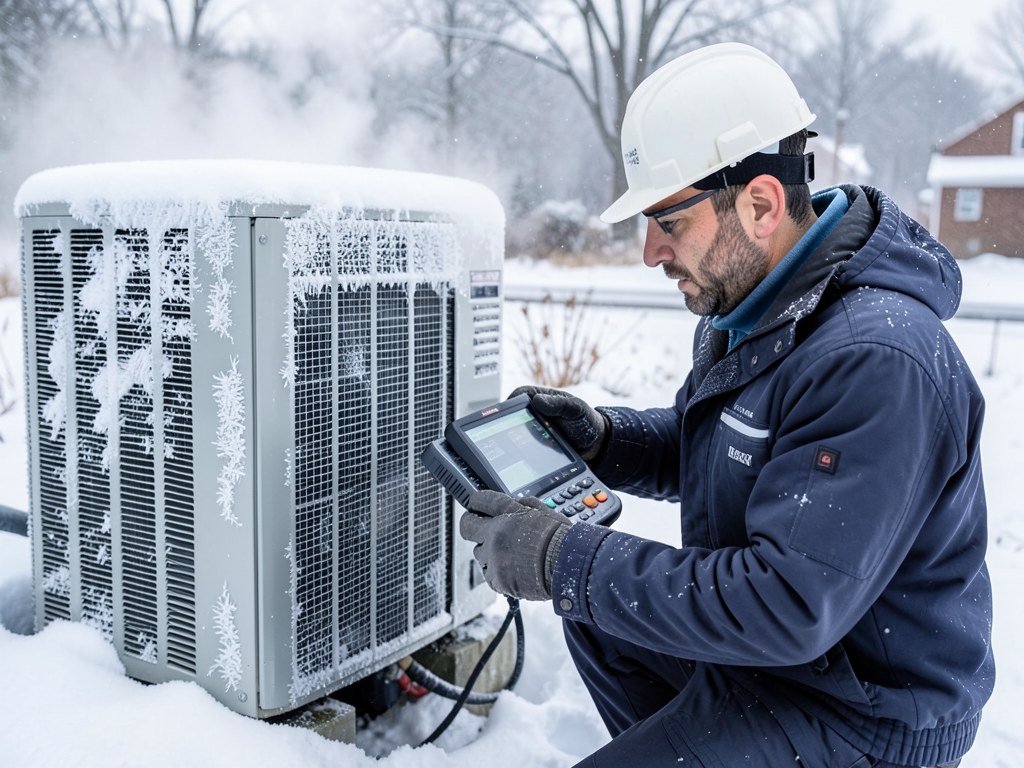
How to tell if a bad capacitor is the reason your Hyde Park AC won't start

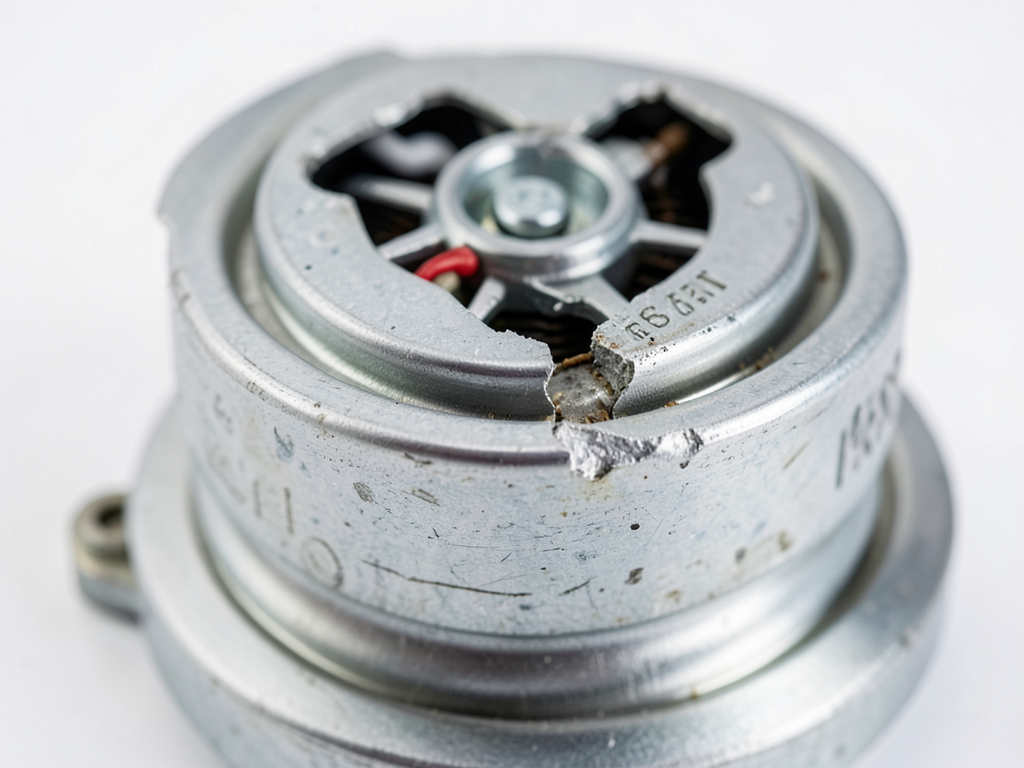
How to tell if a bad capacitor is the reason your Hyde Park AC won't start Your Hyde Park home…

Protecting your Downtown loft from the dust of nearby construction projects

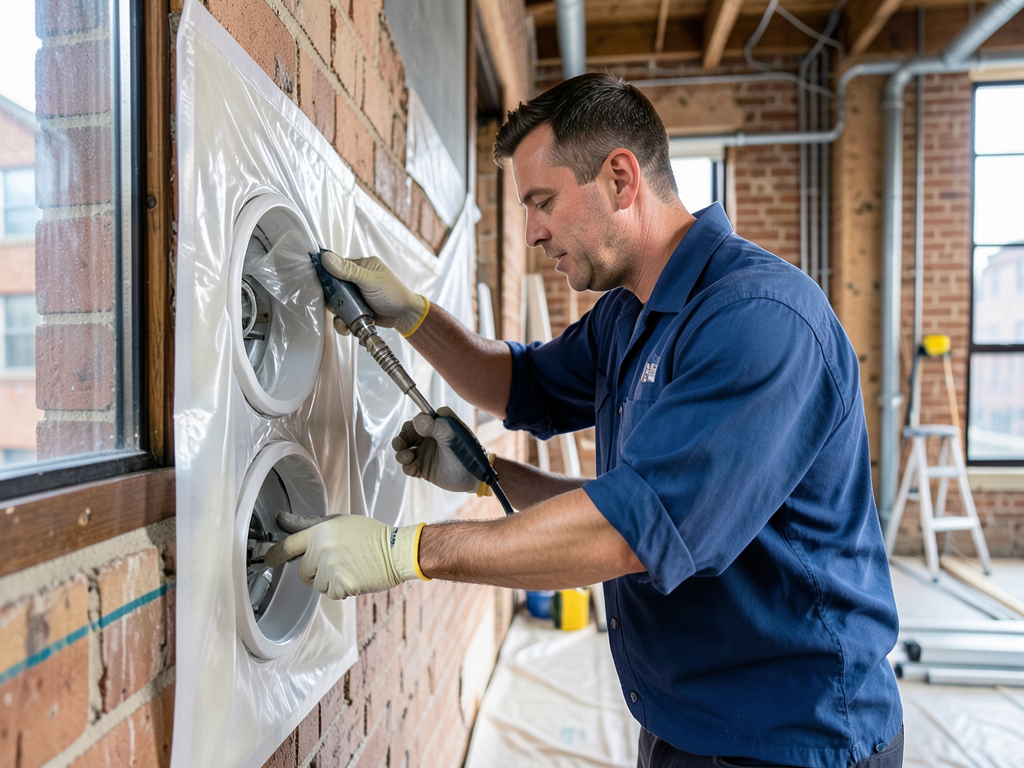
Protecting Your Downtown Loft from Construction Dust Construction dust is more than just a nuisance for Downtown Cincinnati loft owners.…

Preparing your Sharonville HVAC system for a sudden Ohio Valley flash freeze

Preparing your Sharonville HVAC system for a sudden Ohio Valley flash freeze Ohio Valley winters can turn brutal in hours…

Contact Us

Every short cycle damages your compressor and shortens your system life. Call (513) 717-5155 now for fast diagnosis and permanent repair. Our Cincinnati technicians identify the exact cause of rapid cycling and fix it right the first time.